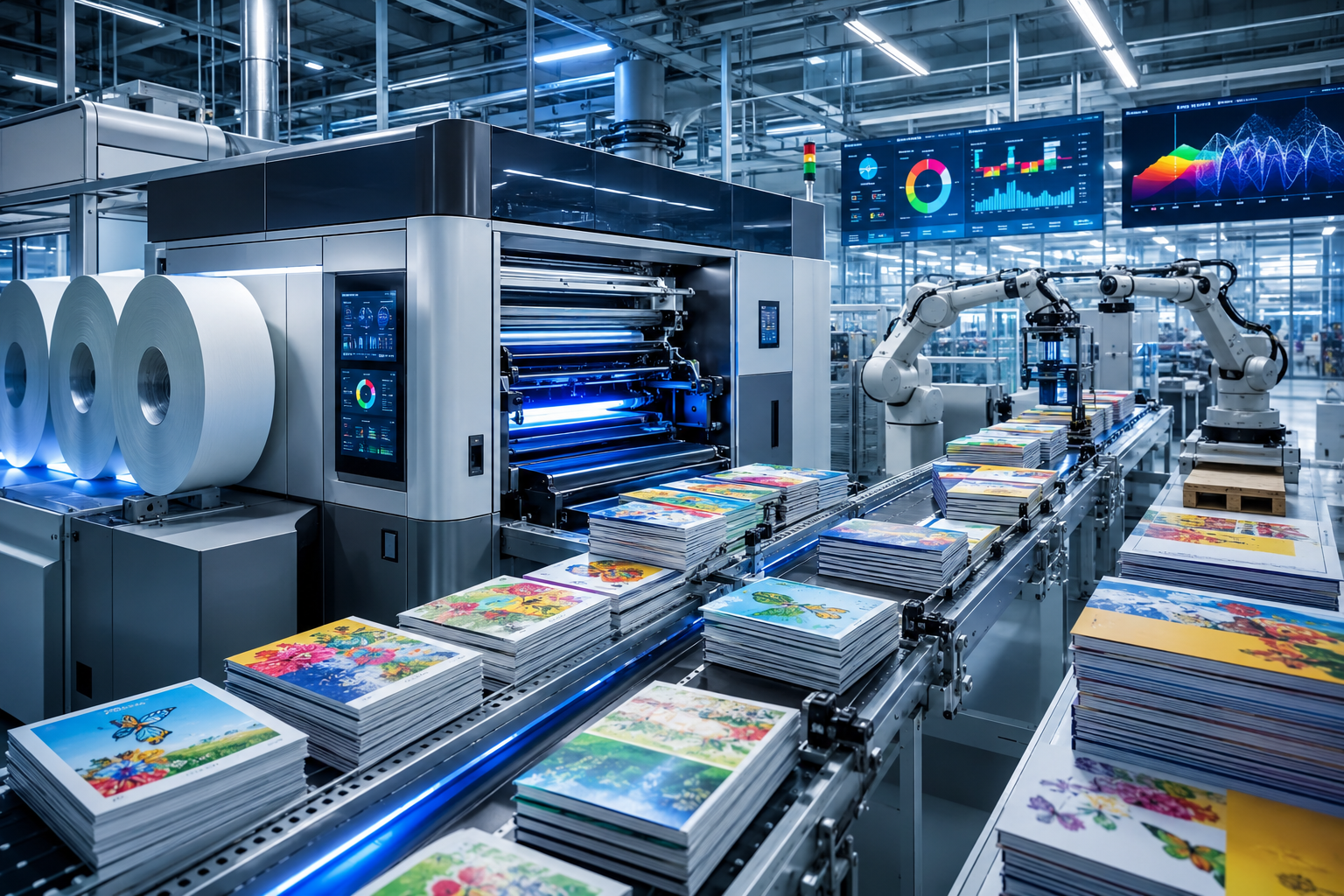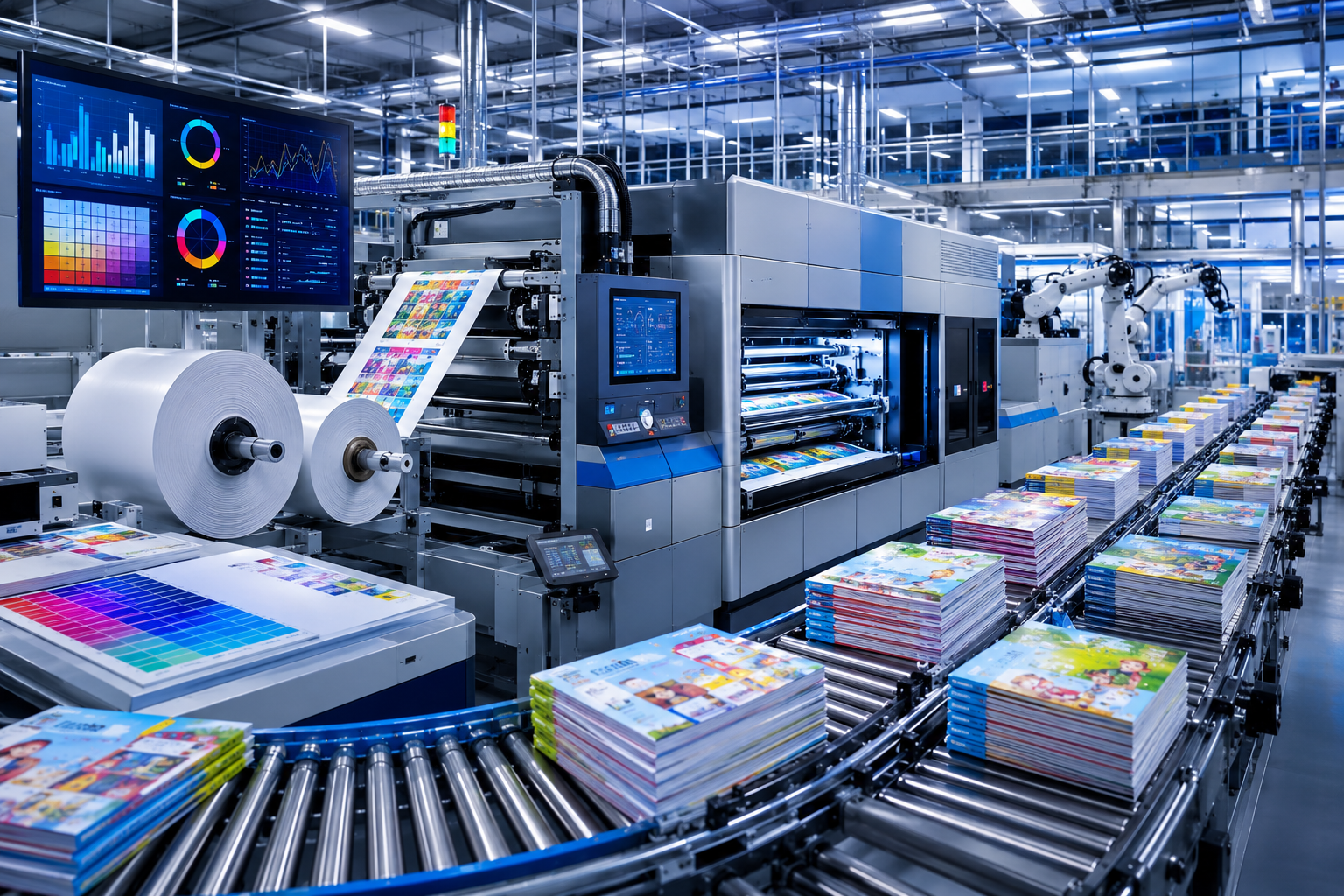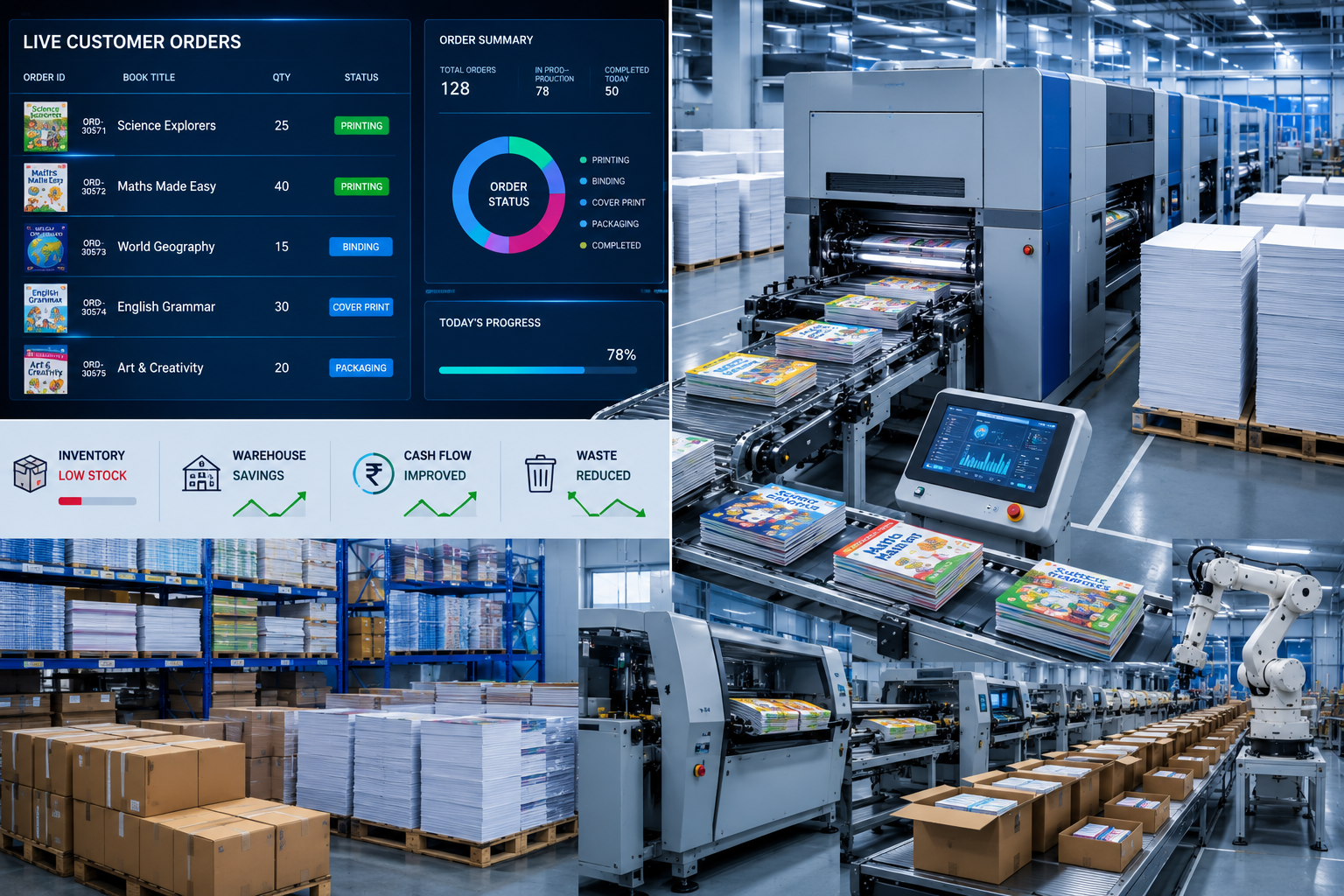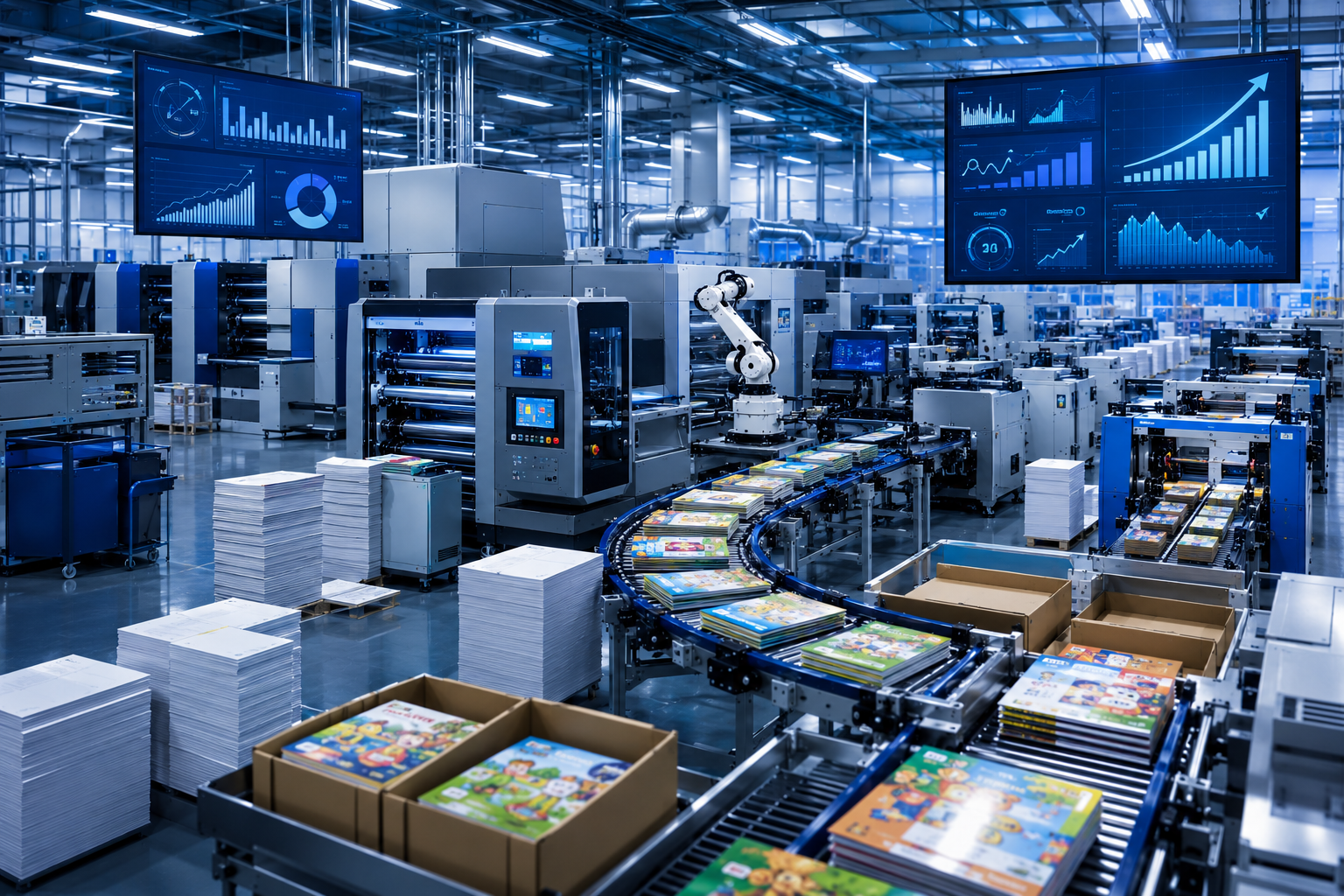

You're ready to print a book. The manuscript is complete, the cover is approved, and the marketing plan is in place.
Now comes one of the most important production decisions:
Should you choose Offset Printing or Digital Printing?
The answer isn't about which technology is better. It's about choosing the right technology for your specific publishing project.
Meet Two PublishersLet's compare two real-world publishing situations.
Publisher A- Launching a new author
- Needs only 300 copies
- Wants books within one week
- Unsure about market demand
- May revise content after launch
Best Choice: Digital Printing
Publisher B
- School textbook already approved
- Demand confirmed
- Needs 80,000 copies
- No content changes expected
- Lowest production cost is the priority
Best Choice: Offset Printing
Quick Comparison| Business Need | Digital | Offset |
|---|---|---|
| Small quantity | ★★★★★ | ★★ |
| Large quantity | ★★★★ | ★★★★★ |
| Fast delivery | ★★★★★ | ★★★ |
| Personalization | ★★★★★ | ★ |
| Frequent updates | ★★★★★ | ★★ |
| Lowest unit cost on massive runs | ★★★ | ★★★★★ |
Digital printing is designed for flexibility.
- Short-run publishing
- Print-on-demand
- Educational updates
- Regional editions
- New title launches
- Author copies
- Corporate publishing
- Personalized books
Publishers don't need to fill warehouses before knowing customer demand.
When Offset Printing Makes SenseOffset printing becomes highly efficient once demand is already proven.
It works particularly well when:
- Large national distribution
- Very high print quantities
- Stable content
- Long production planning
- Repeated large orders
- How many copies do you really need today?
- Will the content change next month?
- Can you store thousands of books?
- How quickly must the books be delivered?
- Do you want to reduce financial risk?
Your answers usually make the correct production method obvious.
The Smart Strategy Used by Modern PublishersMany successful publishers no longer rely on only one printing technology.
Instead they use a hybrid production strategy.
- Digital printing for launch editions
- Digital printing for reprints
- Offset printing after demand is confirmed
- Digital for personalized editions
- Offset for nationwide textbook production
This approach combines flexibility with production efficiency.
Decision Matrix| If You Need... | Recommended Solution |
|---|---|
| 100–500 copies quickly | Digital Printing |
| Testing a new title | Digital Printing |
| Updated edition | Digital Printing |
| Large confirmed demand | Offset Printing |
| National textbook supply | Offset Printing |
Every publishing project is different.
At Edit One International, we help publishers evaluate production requirements, business goals, turnaround expectations, inventory strategy, and future growth before recommending the most suitable printing solution.
Final ThoughtThe best printing technology is not the one with the newest machine or the lowest price per copy.
It is the technology that helps your publishing business reduce risk, improve efficiency, satisfy readers, and grow profitably.