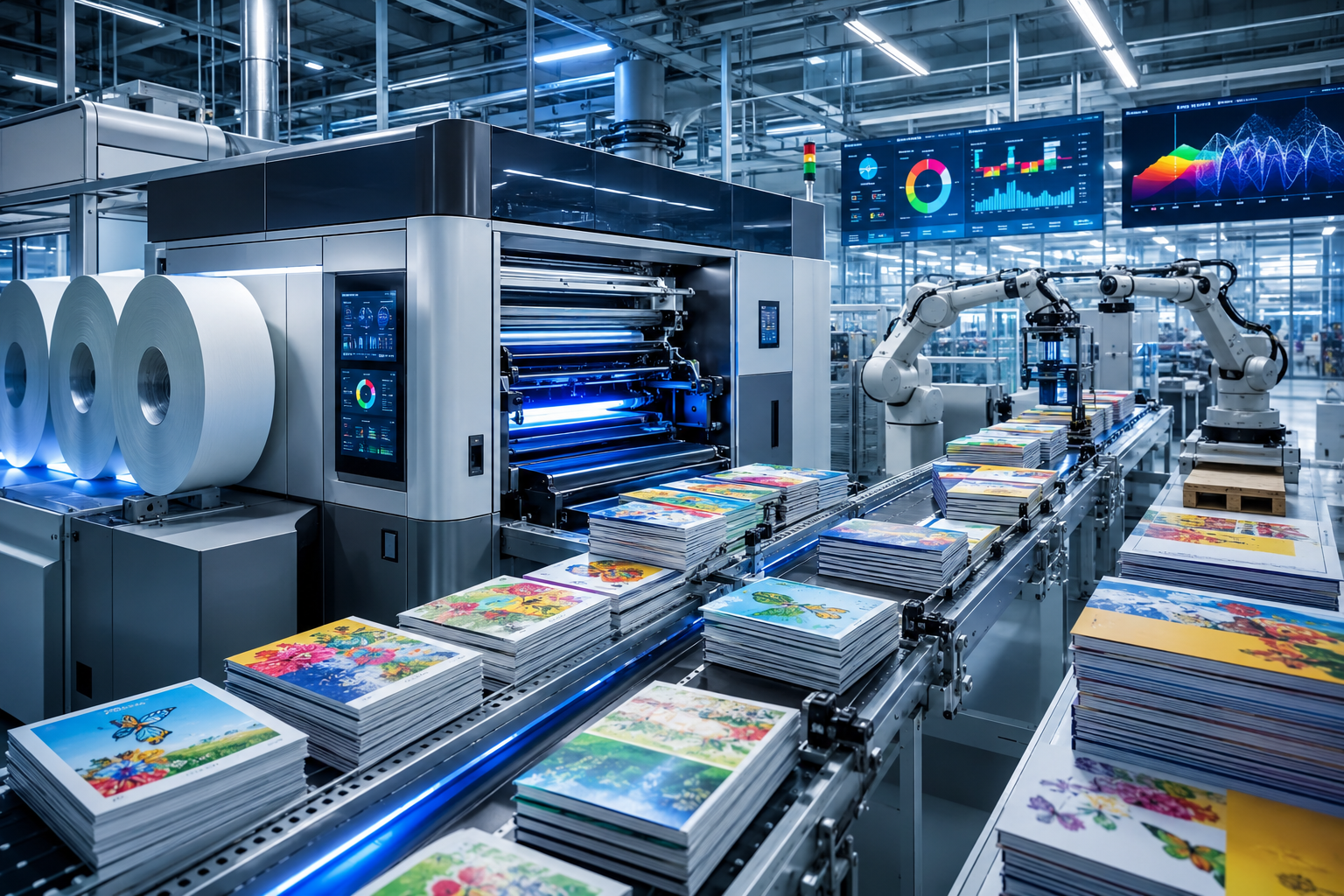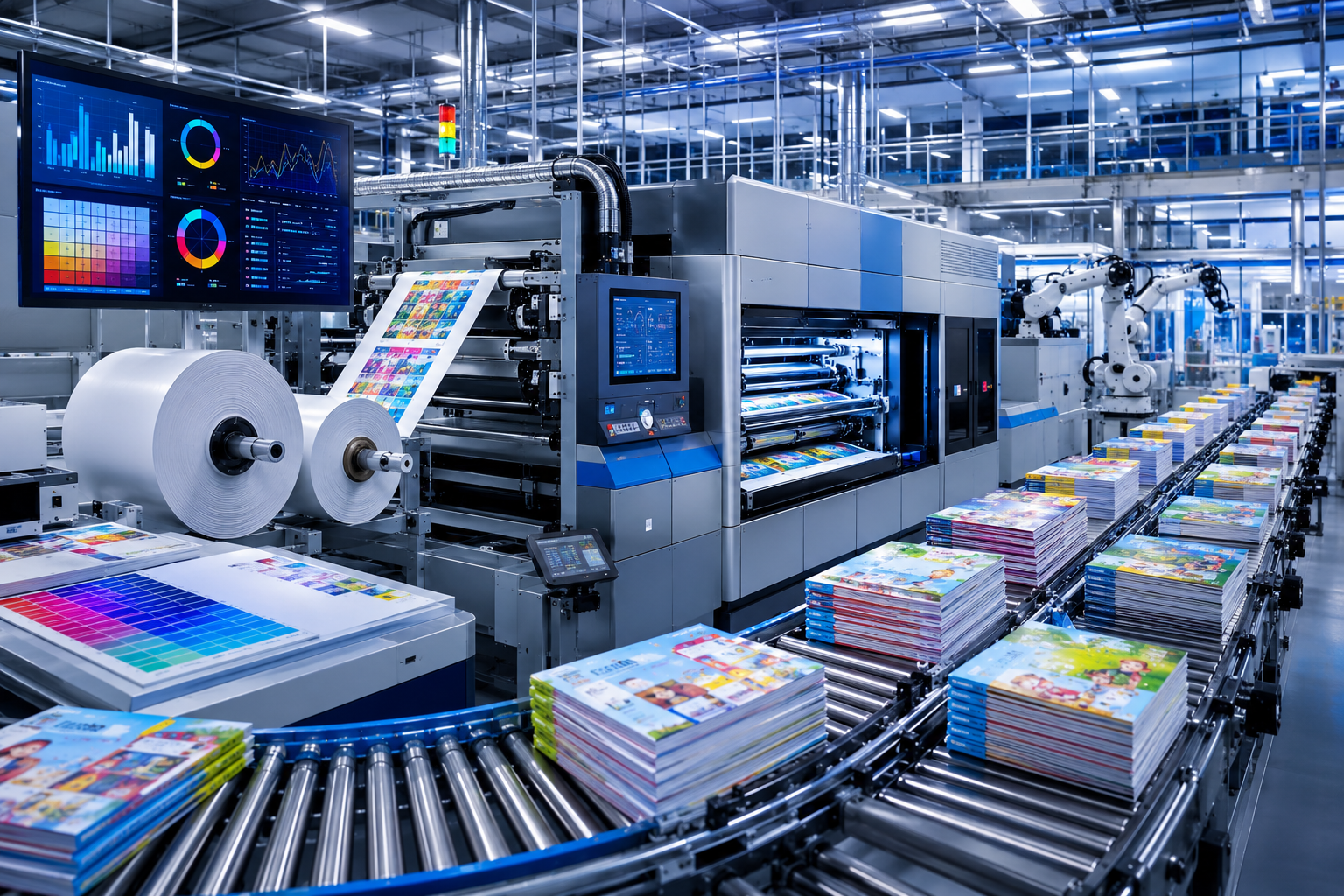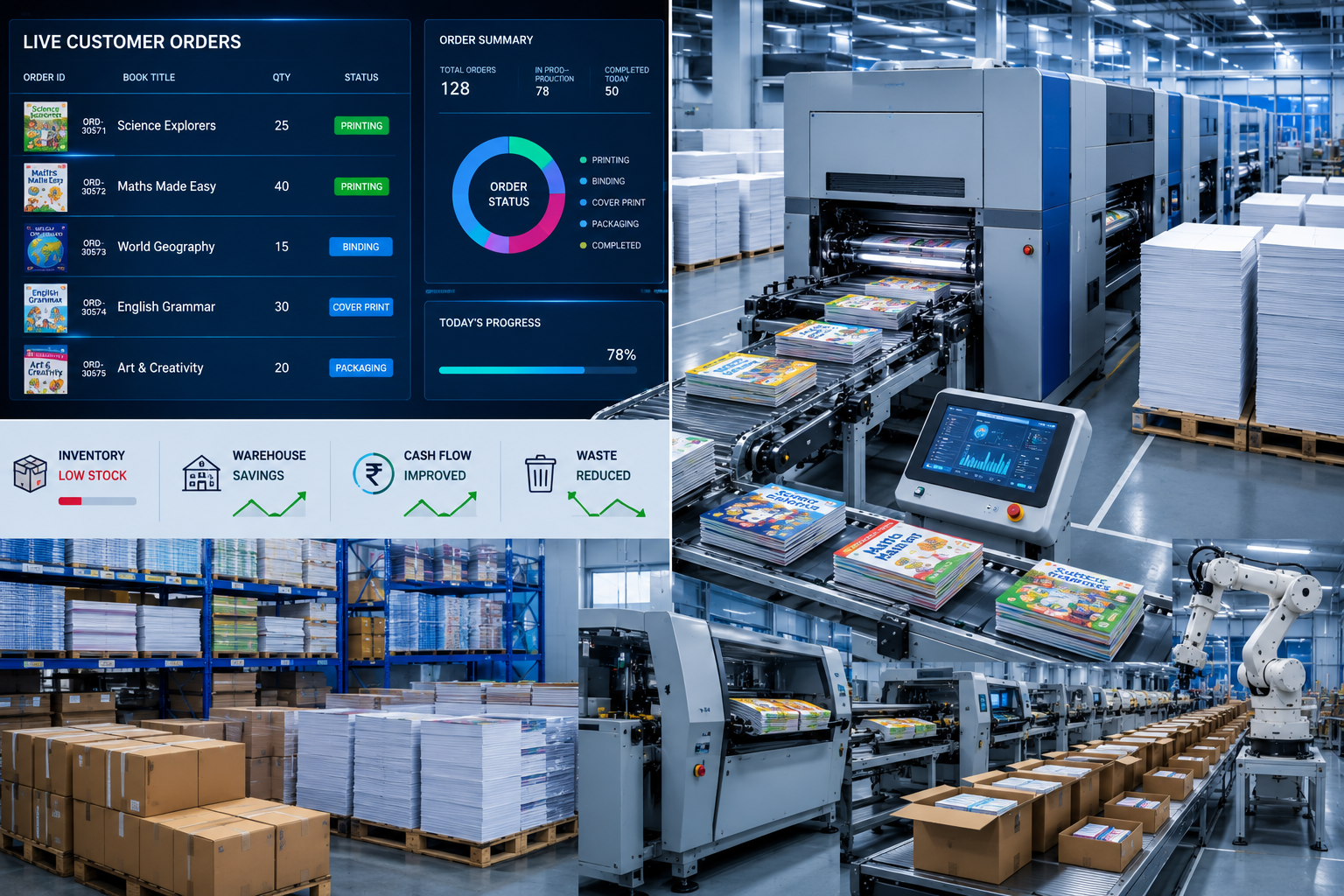
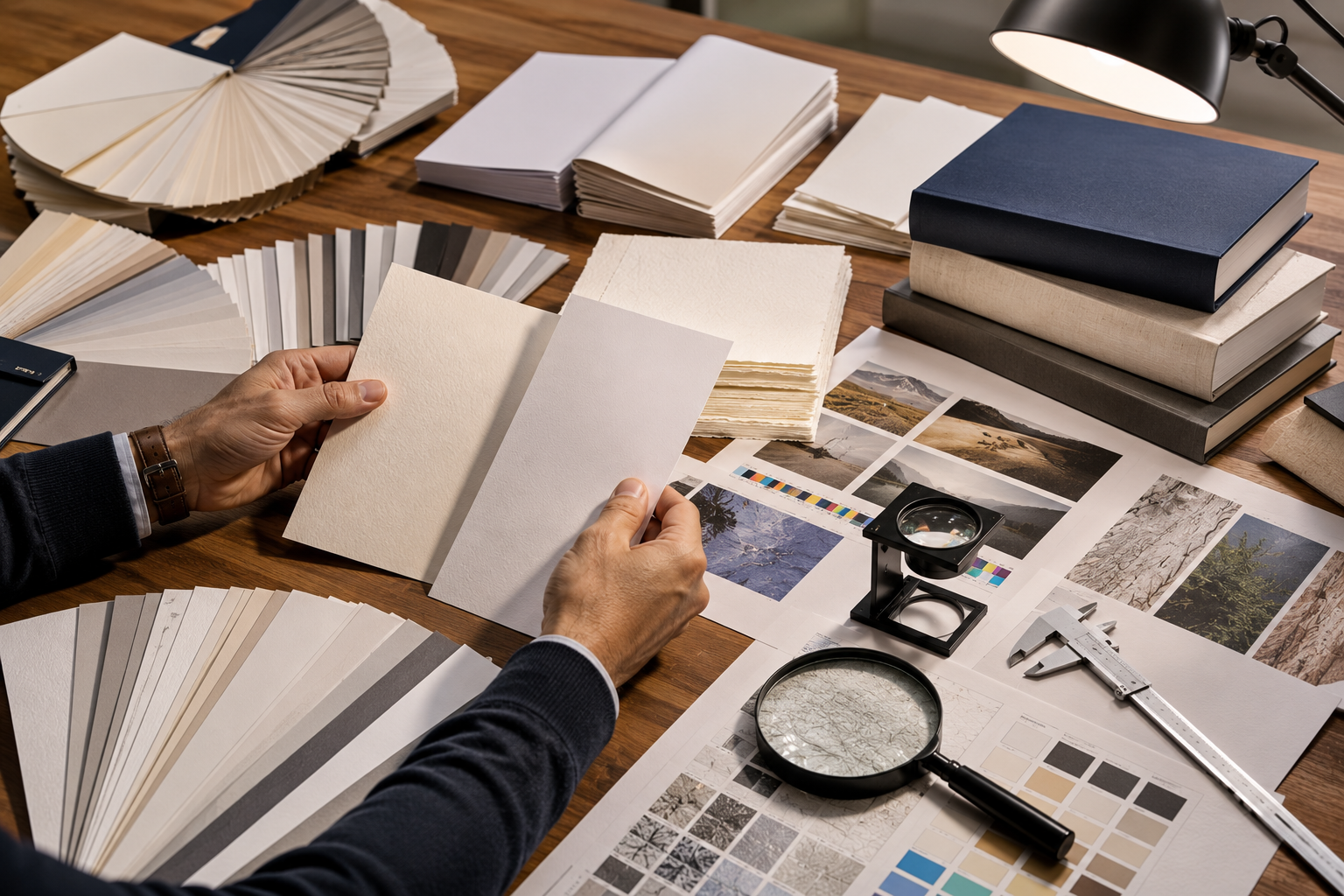
When planning a book, publishers often focus on content, design, printing technology, and binding. However, the choice of paper is equally important. Paper affects how the book looks, feels, prints, weighs, performs, and is perceived by the reader.
The right paper can improve readability, colour reproduction, durability, and customer satisfaction. The wrong paper may increase costs, create show-through, reduce print clarity, or make the finished book feel unsuitable for its target audience.
Why Paper Selection MattersPaper is not simply a surface for printing. It influences nearly every part of book production, including print quality, page count, binding, shipping weight, storage, and final selling price.
- Text readability
- Image and colour reproduction
- Book thickness and weight
- Ink absorption and drying
- Page opacity
- Binding performance
- Production cost
- Reader experience
The first step in choosing paper is understanding how the book will be used. Different categories of books require different paper characteristics.
- School textbooks need durability and comfortable readability
- Children's books require bright colours and strong paper
- Novels benefit from lightweight, easy-to-read paper
- Art books need excellent image reproduction
- Workbooks require a surface suitable for writing
- Reference books may need thin paper to control thickness
- Premium publications often require textured or coated stocks
GSM stands for grams per square metre. It is commonly used to describe the weight of paper. A higher GSM generally means a heavier and thicker sheet, although thickness can also vary depending on paper composition and bulk.
Choosing the highest GSM is not always the best decision. The paper should match the book's purpose, page count, binding method, target price, and expected reader experience.
Common Paper Weight Considerations- Lighter paper can reduce book weight and shipping cost
- Medium-weight paper works well for many educational books
- Heavier paper provides better strength and a premium feel
- Very heavy paper may make thick books difficult to bind
- High page counts may require lighter paper to control spine width
One of the most important decisions is whether to use coated or uncoated paper.
Uncoated PaperUncoated paper has a natural and absorbent surface. It is widely used for novels, textbooks, notebooks, workbooks, manuals, and publications that contain large amounts of text.
- Comfortable for long reading sessions
- Suitable for writing with pens or pencils
- Natural appearance and feel
- Lower surface glare
- Commonly used for text-heavy books
Coated paper has a smoother surface designed to improve image detail and colour reproduction. It is commonly used for catalogues, coffee-table books, product books, children's books, art publications, and image-heavy content.
- Sharper image reproduction
- Stronger colour appearance
- Smoother surface
- Available in gloss, silk, and matte finishes
- Suitable for premium visual publications
Coated paper is available in different finishes, and each creates a different visual and tactile effect.
Gloss PaperGloss paper provides strong colour vibrancy and image contrast. It works well for photographs, promotional books, product catalogues, and visual content. However, reflected light may reduce reading comfort in text-heavy books.
Matte PaperMatte paper offers a softer and more refined appearance with lower glare. It is suitable for premium books, corporate publications, design portfolios, and content that combines text and images.
Silk PaperSilk paper provides a balance between gloss and matte finishes. It delivers smooth image reproduction while maintaining relatively comfortable readability.
Opacity and Show-ThroughOpacity refers to how effectively paper prevents printing on one side from being visible through the other. Low-opacity paper can make text and images from the reverse side interfere with reading.
Good opacity is especially important for books printed on both sides, educational publications, children's books, workbooks, and books with heavy colour coverage.
- Review printed samples instead of checking blank paper only
- Test dark text and full-colour images on both sides
- Consider page coverage and ink density
- Balance opacity with book weight and cost
Paper brightness affects how colours and text appear. Bright white paper can create strong contrast and vibrant colour reproduction, while natural or cream paper may provide a softer reading experience.
Bright white paper is often preferred for educational books, children's books, marketing material, and image-heavy publications. Cream or natural shades are commonly selected for novels and long-form reading because they may feel more comfortable to the eyes.
Paper TextureTexture affects both appearance and print behaviour. Smooth paper can produce sharp text and detailed images, while textured paper may create a more artistic or premium effect.
Publishers should test whether the selected printing process can reproduce fine details properly on the chosen texture.
Paper Bulk and Book ThicknessBulk describes the thickness of paper relative to its weight. Two papers with the same GSM may have different thicknesses.
Higher-bulk paper can make a book feel thicker without significantly increasing its weight. This can be useful for novels, educational books, and titles where a substantial physical presence is desirable.
However, paper bulk must be considered carefully because it affects spine width, binding, packaging, and storage.
Ink Absorption and Print PerformanceDifferent papers absorb ink differently. Highly absorbent paper may reduce sharpness or colour intensity, while a smoother controlled surface may produce clearer text and richer images.
The selected paper should be tested with the actual printing technology, ink, production speed, and finishing process intended for the final book.
Choose Paper According to the Printing ProcessPaper performance can vary between offset, toner-based digital, and inkjet production systems. A paper that performs well on one printing process may not deliver the same result on another.
- Confirm machine compatibility
- Check ink or toner adhesion
- Test colour reproduction
- Review drying and smudging behaviour
- Check curl and paper movement
- Evaluate duplex printing performance
Educational books need a balance of cost, durability, readability, and print quality. The paper should be strong enough for regular classroom use while remaining comfortable for children to handle.
For workbooks, the writing experience is also important. A paper that is too glossy may not work well with pencils or pens.
Paper Selection for Children's BooksChildren's books often contain colourful illustrations and are handled frequently. Publishers should consider brightness, opacity, tear resistance, surface quality, and safety.
- Good colour reproduction
- Durable paper
- Comfortable page turning
- Suitable thickness for young readers
- Low show-through
- Compatibility with lamination or protective finishes
Novels usually require lightweight, comfortable, and low-glare paper. Cream or natural shades are often preferred because they support long reading sessions and provide a classic book appearance.
The selected paper should also help control the total weight and spine thickness of books with a high page count.
Paper Selection for Image-Heavy BooksPhotography books, catalogues, art books, cookbooks, and premium portfolios require paper capable of reproducing fine details and accurate colours.
Coated matte, silk, or gloss paper may be selected depending on the desired visual style and reading environment.
Consider Binding Before Finalising PaperPaper selection should be coordinated with the binding method. Paper thickness, grain direction, surface coating, and page count can affect folding, glue adhesion, lay-flat performance, and spine quality.
- Perfect binding requires suitable spine preparation
- Saddle stitching works best within practical page limits
- Hardcover books require proper text-block planning
- Heavy coated paper may need special binding consideration
- Paper grain should support folding and page movement
Heavier paper can improve durability and visual impact, but it also increases the total weight of the book. This may affect packaging, courier charges, bulk transportation, distributor margins, and customer delivery costs.
For large print runs or nationwide distribution, even a small increase in book weight can create a significant logistics expense.
Do Not Select Paper Only by PriceThe cheapest paper may increase other costs through poor print performance, wastage, complaints, binding problems, or a weak customer experience.
At the same time, expensive premium paper may not be necessary for every project. The goal is to choose the most suitable paper for the product, audience, printing process, and selling price.
Always Produce a Printed SampleA paper specification sheet cannot fully show how the final book will look and feel. Before confirming a large order, publishers should produce a printed sample using actual content.
- Check text sharpness
- Review colour reproduction
- Test opacity
- Evaluate page turning
- Check writing performance if required
- Confirm binding quality
- Review finished weight and thickness
- Book category and target audience
- Text-heavy or image-heavy content
- Required GSM and bulk
- Coated or uncoated surface
- Brightness and shade
- Opacity requirement
- Printing process compatibility
- Binding method
- Finished book weight
- Budget and selling price
- Availability for future reprints
Edit One International helps publishers and printing businesses plan complete book production workflows, including printing technology, paper selection, finishing, and application requirements.
Our team can help you evaluate suitable materials according to your book category, quality expectations, production volume, and commercial objectives.
Book a Consultation or Live DemonstrationIf you are planning a new publishing project or want to improve the quality and cost efficiency of your existing books, contact the Edit One International team for expert guidance and a live production demonstration.
ConclusionThe right paper improves more than print quality. It supports readability, durability, binding, production efficiency, logistics, and customer satisfaction.
By evaluating GSM, opacity, brightness, texture, bulk, finish, printing compatibility, and book purpose, publishers can create a better product while controlling total production costs.