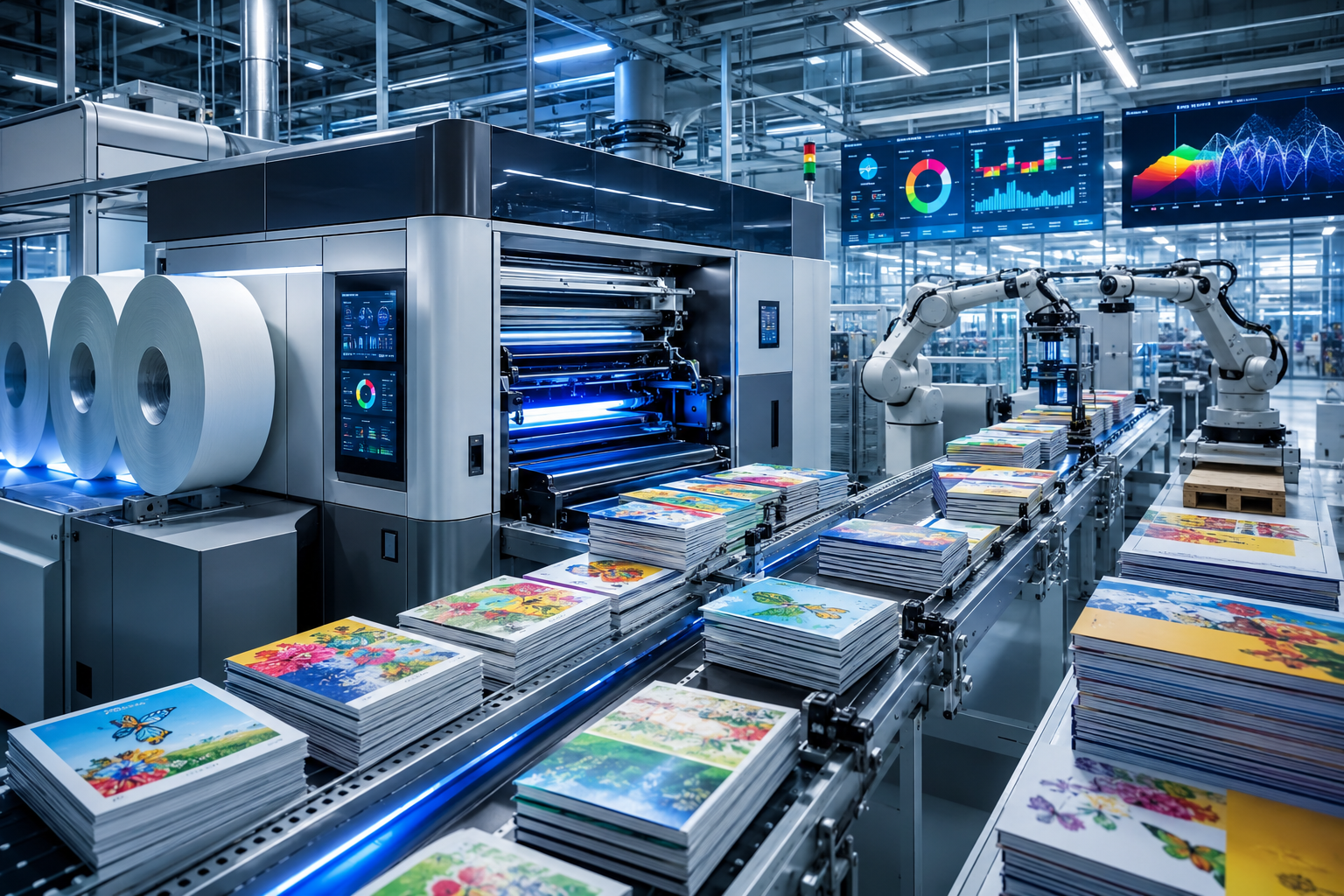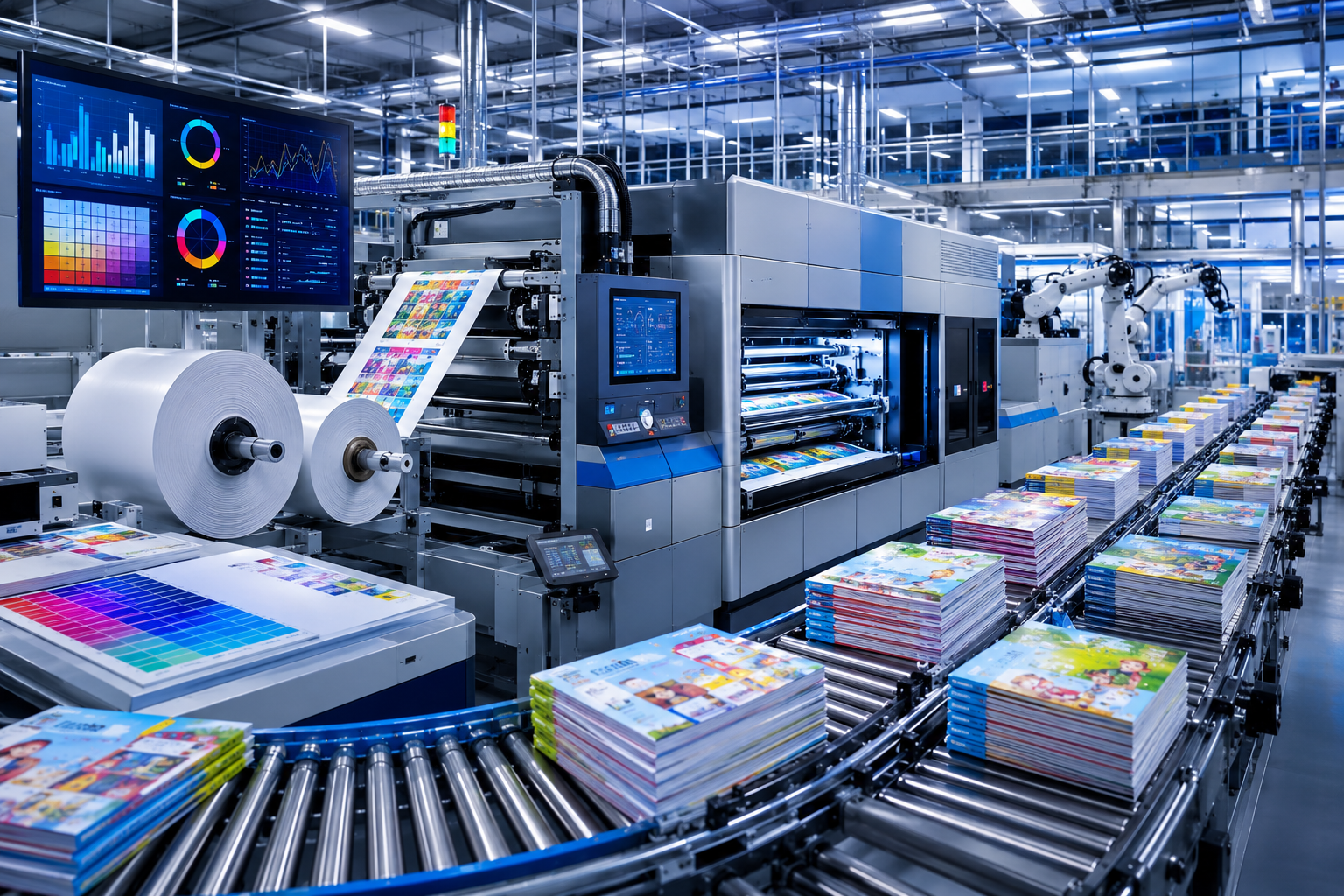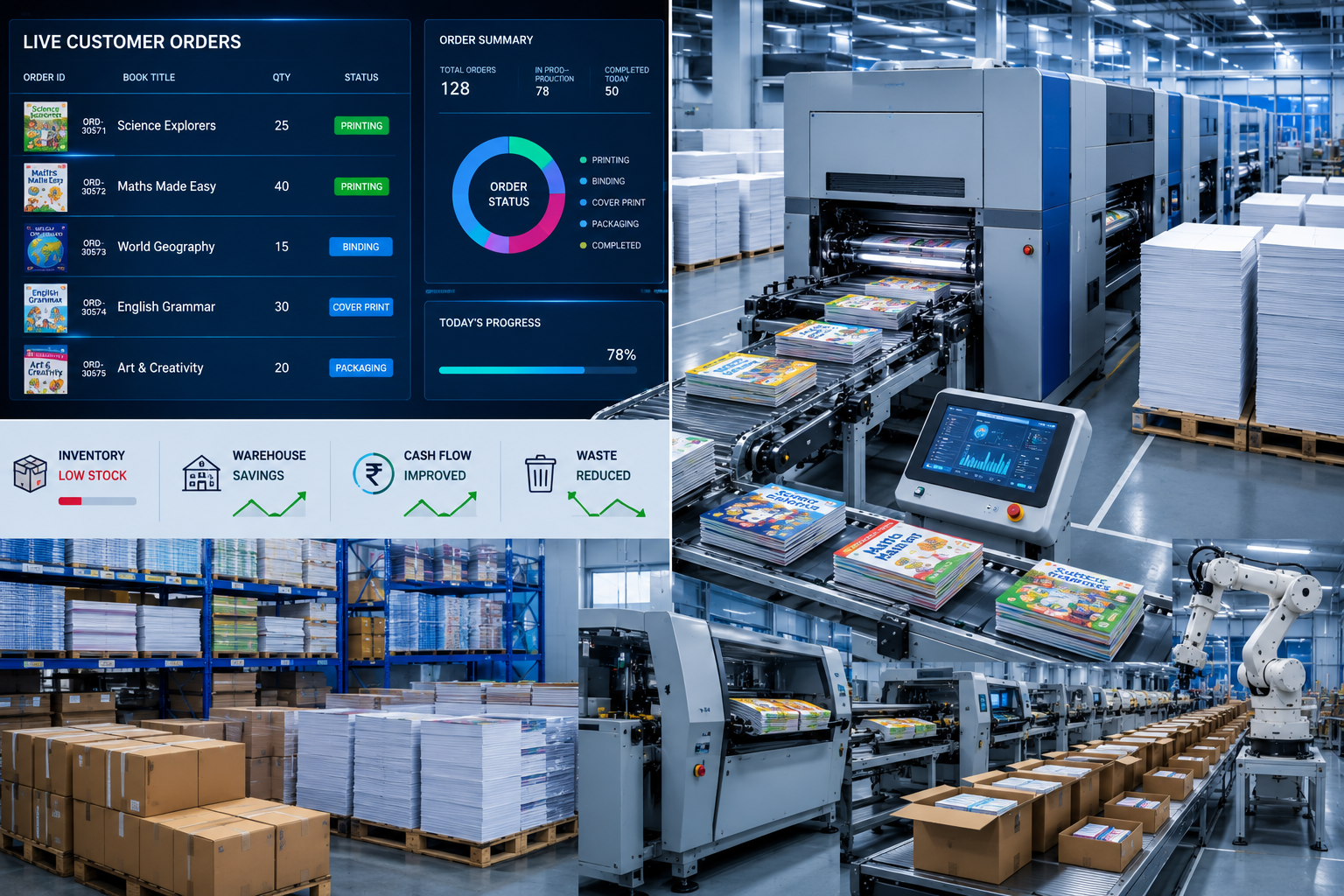
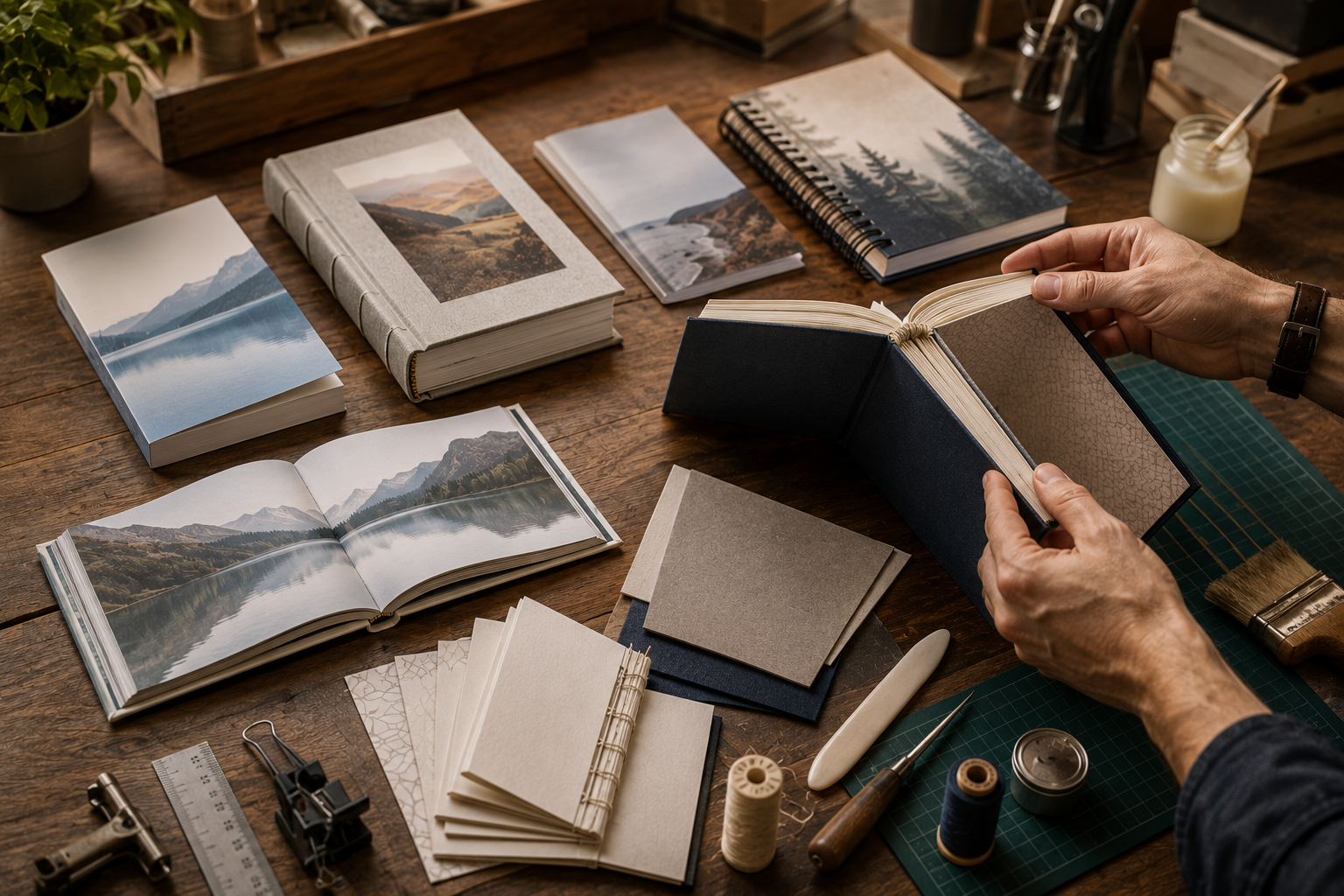
Book binding plays a major role in the appearance, durability, usability, and perceived value of a publication. Even excellent printing can lose its impact if the binding method is not suitable for the book's page count, paper type, purpose, and target audience.
The right binding method keeps pages secure, improves page turning, supports the cover design, and helps the finished book perform properly throughout its expected life.
Why Binding Selection MattersDifferent books are used in different ways. A school workbook may need to open easily on a desk, while a premium coffee-table book may require a strong hardcover and an elegant finish. A training manual may need frequent handling, while a promotional booklet may only be used for a short campaign.
- Book durability
- Page-turning comfort
- Finished appearance
- Spine strength
- Production cost
- Printing turnaround time
- Reader experience
- Storage and transportation
Before selecting a binding method, publishers should consider who will use the book, how often it will be handled, how long it should last, and where it will be used.
- School books need strength and durability
- Workbooks should open comfortably for writing
- Novels require a lightweight and reader-friendly structure
- Premium books need a refined visual finish
- Training manuals may need to lie flat
- Catalogues require neat presentation and fast production
- Children's books need secure and robust construction
Perfect binding is one of the most widely used methods for paperback books. Printed pages are gathered into a book block, the spine edge is prepared, and the pages are attached to a wraparound cover using adhesive.
This method provides a clean, professional square spine that can carry the book title and other information.
Perfect Binding Is Suitable For- Novels
- Educational books
- Corporate reports
- Training manuals
- Catalogues
- Softcover publications
- Print-on-demand books
- Professional paperback appearance
- Printable square spine
- Suitable for medium and high page counts
- Cost-effective for commercial production
- Compatible with short-run digital printing
The strength of perfect binding depends on paper type, adhesive quality, spine preparation, page count, and production control. Very thick coated paper or unsuitable grain direction may reduce binding performance if not tested properly.
Saddle StitchingSaddle stitching is commonly used for thin booklets. Printed sheets are folded, placed inside one another, and secured through the centre fold using metal staples.
It is a fast and economical method for publications with a limited number of pages.
Saddle Stitching Is Suitable For- Brochures
- Magazines
- Product catalogues
- Event programmes
- Activity booklets
- Promotional publications
- Instruction guides
- Low production cost
- Fast turnaround
- Easy page opening
- Lightweight finished product
- Suitable for short promotional runs
This method is not suitable for very high page counts. As the number of pages increases, the folded booklet may become bulky near the spine and the inner pages may extend outward, requiring careful trimming and layout planning.
Hardcover BindingHardcover binding uses rigid boards covered with printed paper, fabric, leather-like material, or other decorative surfaces. The printed book block is attached inside the case using endpapers and suitable binding techniques.
This method provides strong protection and a premium appearance.
Hardcover Binding Is Suitable For- Coffee-table books
- Premium children's books
- Annual reports
- Gift books
- Academic publications
- Reference books
- Commemorative editions
- Premium appearance
- High durability
- Better protection for the book block
- Strong shelf presence
- Suitable for long-term use
- Supports premium finishing options
Hardcover binding requires more production steps, materials, time, and planning than most paperback methods. The final cost is higher, but the perceived value and durability can also be significantly greater.
Section-Sewn BindingIn section-sewn binding, folded groups of pages are stitched together with thread before being attached to the cover. This creates a strong and durable book structure.
Section sewing is often used for books that must withstand frequent use or need better opening performance.
Section-Sewn Binding Is Suitable For- Premium textbooks
- Reference books
- Religious publications
- Long-life educational books
- High-quality novels
- Large-format books
- Excellent durability
- Strong page security
- Better opening behaviour
- Suitable for high page counts
- Longer book life
Spiral and Wire-O binding use holes punched along one edge of the pages. A plastic coil or metal wire is inserted through the holes to hold the pages together.
These methods allow the book to open flat and, in many cases, fold completely back on itself.
Spiral or Wire-O Binding Is Suitable For- Workbooks
- Training manuals
- Notebooks
- Calendars
- Recipe books
- Instruction manuals
- Presentation documents
- Excellent lay-flat performance
- Easy page turning
- Suitable for writing and practical use
- Convenient for training and classroom environments
- Available in different wire and coil options
The punched edge needs sufficient margin so that important text or images are not affected. The cover should also be strong enough to protect the book during repeated handling.
Lay-Flat BindingLay-flat binding is designed to allow pages to remain open with minimal resistance. It is especially useful when content extends across two facing pages or when the reader needs both hands free.
Lay-Flat Binding Is Suitable For- Photo books
- Children's picture books
- Cookbooks
- Instruction manuals
- Art portfolios
- Premium presentation books
The exact construction may vary depending on the paper, printing process, page count, and desired quality level.
Board BooksBoard books are made using thick paperboard pages rather than ordinary paper. They are widely used for books intended for very young children because the pages are strong, easy to turn, and resistant to frequent handling.
Board Books Are Suitable For- Baby books
- Early-learning books
- Picture books for toddlers
- Interactive children's books
- Durable educational products
Page count is one of the most important factors in binding selection. Some methods work best for thin publications, while others are designed for thick books.
- Low page counts may suit saddle stitching
- Medium page counts often suit perfect binding
- High page counts may require perfect binding or section sewing
- Very thick books need careful spine and paper planning
- Board books use a different construction entirely
Paper thickness, surface coating, grain direction, flexibility, and ink coverage can affect binding performance.
Heavy coated sheets may require special attention during folding and adhesive binding. Lightweight uncoated papers may behave differently during trimming, gathering, and sewing.
- Test adhesive compatibility
- Check folding performance
- Confirm paper grain direction
- Review spine preparation
- Check page-turning comfort
- Evaluate finished book weight
A novel does not need to lie completely flat, but a workbook, recipe book, or training manual may require excellent opening performance.
The expected use of the book should guide the binding decision.
- Reading-only books may use perfect binding
- Writing books benefit from spiral or lay-flat formats
- Premium visual books may require section sewing or lay-flat construction
- Children's books may need strong page and cover structures
The final spine width depends on page count, paper thickness, bulk, and binding method. Publishers should calculate the spine before preparing the final cover artwork.
An incorrect spine width can create alignment problems, poor cover wrapping, misplaced text, or an unprofessional final appearance.
Durability Versus CostEvery binding method creates a different balance between cost, durability, and presentation.
A simple booklet may not require an expensive binding structure, while a premium reference book should not be produced with a method that cannot support long-term use.
The right decision should consider the complete commercial objective rather than only the lowest production price.
Production Quantity and Turnaround TimeBinding selection can also depend on the number of books required and the delivery schedule.
- Saddle stitching is suitable for fast booklet production
- Perfect binding supports many commercial paperback projects
- Hardcover production requires more time and planning
- Section sewing involves additional production stages
- Spiral binding can be practical for shorter runs
Binding can be combined with different finishing techniques to improve appearance and durability.
- Matte or gloss lamination
- Soft-touch lamination
- Spot UV
- Foil stamping
- Embossing or debossing
- Dust jackets
- Headbands and ribbons
- Rounded corners
These options should match the book category, target price, audience, and brand positioning.
Common Binding Mistakes to Avoid- Selecting binding without checking the page count
- Ignoring paper grain direction
- Using unsuitable adhesive for the paper
- Preparing cover artwork before confirming spine width
- Choosing a method that does not open comfortably
- Failing to test thick coated paper
- Ignoring the expected life of the book
- Selecting only on the basis of the lowest cost
A digital preview cannot fully show how a finished book will open, feel, and perform. Publishers should review a physical sample before approving large production quantities.
- Check page security
- Test repeated opening
- Review spine alignment
- Inspect cover adhesion
- Check trimming accuracy
- Confirm page-turning comfort
- Evaluate the overall appearance
- Purpose of the book
- Target audience
- Page count
- Paper type and GSM
- Required durability
- Opening and writing requirements
- Production quantity
- Delivery schedule
- Budget and selling price
- Cover and finishing requirements
- Expected shelf life
Edit One International helps publishers and printing businesses plan complete book production solutions, including printing, paper, binding, finishing, and workflow requirements.
Our team can help you evaluate the most suitable binding method according to your book category, page count, production volume, durability requirements, and commercial goals.
Book a Consultation or Live DemonstrationIf you are planning a new book project or want to improve the quality and durability of your existing publications, contact the Edit One International team for expert guidance and a live production demonstration.
ConclusionThe right binding method protects the pages, supports comfortable use, improves durability, and strengthens the overall appearance of a book.
By carefully considering page count, paper, book purpose, production quantity, opening performance, cost, and expected life, publishers can select a binding solution that delivers both quality and commercial value.