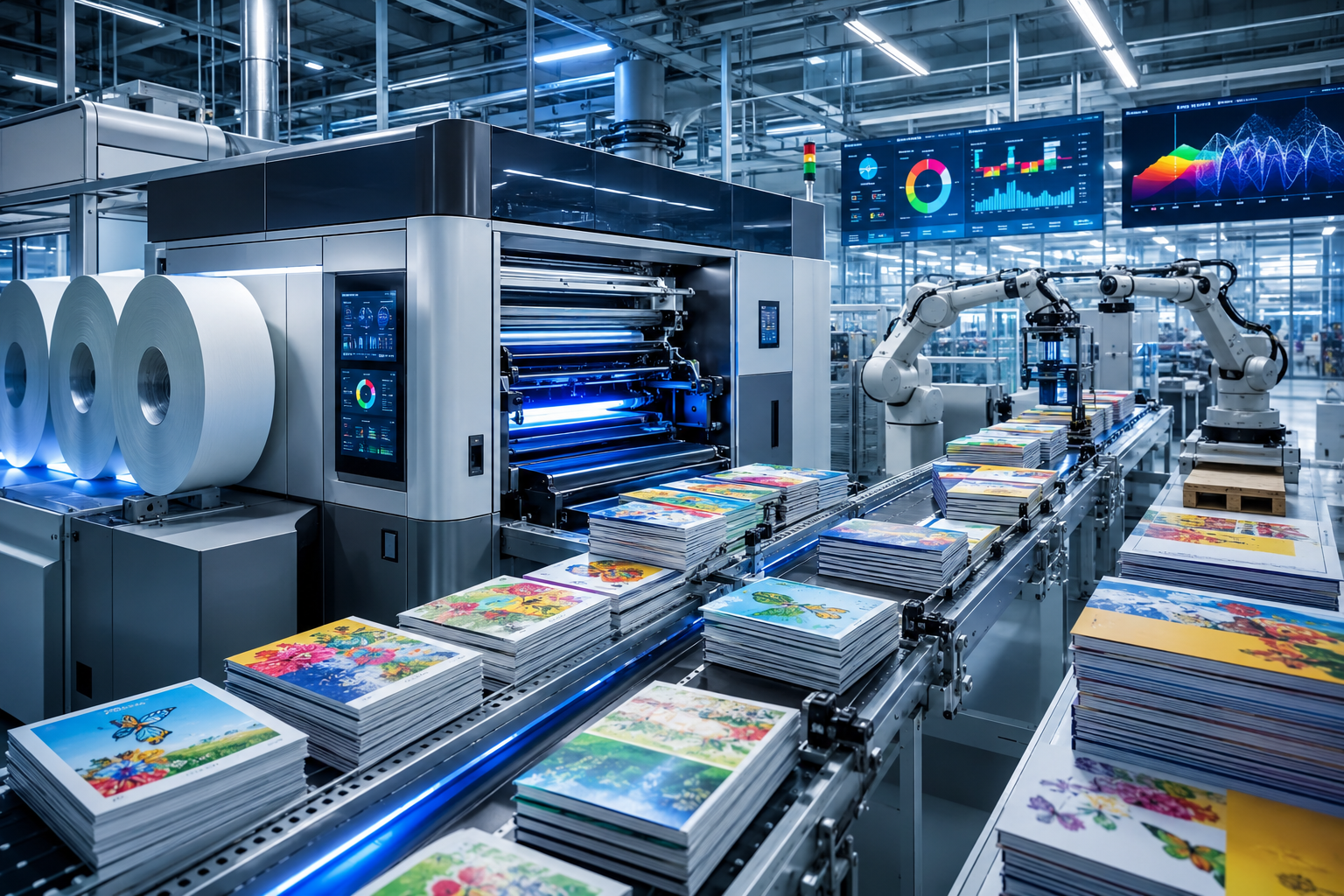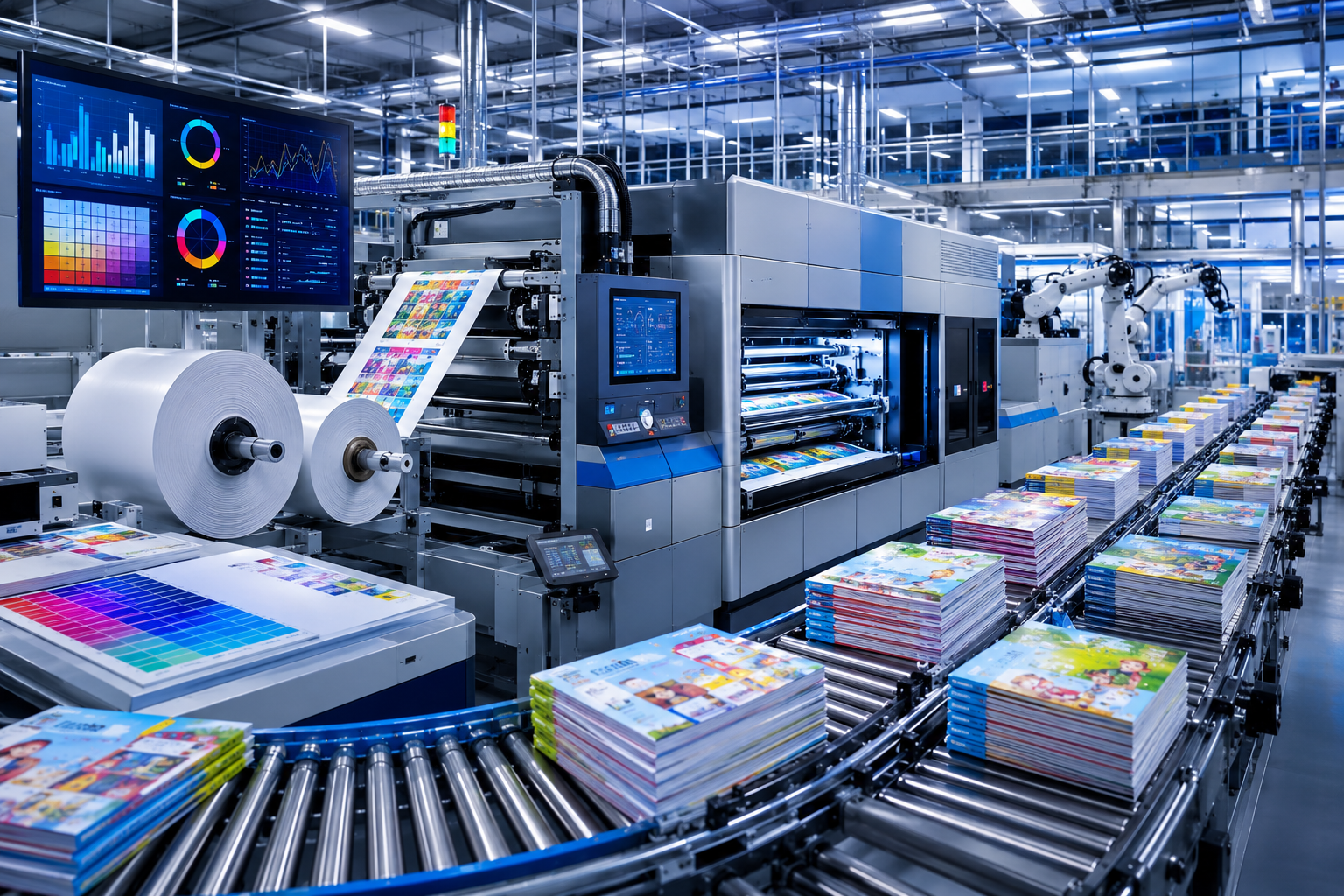

Every new book begins with uncertainty. A publisher may believe strongly in the content, author, subject, or market opportunity, but actual customer demand can only be confirmed after the book is launched.
Traditional production often requires a large first print run. This can force publishers to invest heavily before they know how the market will respond. Short-run digital book printing offers a safer and more flexible alternative.
What Is Short-Run Book Printing?Short-run book printing means producing a limited quantity of books instead of printing several thousand copies in advance. Publishers can launch a title with a manageable quantity, study its performance, and print additional copies when demand becomes clear.
This model is especially useful for new authors, specialised subjects, regional-language books, academic titles, pilot editions, and products with uncertain demand.
The Risk of Large First Print RunsA large print run may reduce the production cost per copy, but it can also create significant business risk.
- High initial investment
- Large quantities of unsold books
- Warehouse and handling expenses
- Blocked working capital
- Difficulty updating content
- Pressure to offer heavy discounts
- Risk of damaged or outdated stock
The lowest cost per copy does not always result in the best overall business outcome. A slightly higher production cost for a smaller quantity may be more profitable if it prevents thousands of unsold books.
Test Real Market DemandShort-run printing allows publishers to replace assumptions with actual sales information. Instead of estimating demand for an entire year, they can launch a limited quantity and measure real customer response.
- How quickly the first batch sells
- Which cities or regions generate the most demand
- How distributors and retailers respond
- Whether customers accept the pricing
- Which marketing channels produce sales
- Whether the title receives repeat orders
This information helps publishers make better production and marketing decisions.
Ideal for New Authors and First-Time TitlesNew authors often do not have an established sales history. Printing thousands of copies for an untested title can create unnecessary risk for both the author and the publisher.
With short-run digital printing, publishers can release a professional-quality first edition in a limited quantity and increase production after the title begins gaining traction.
Launch More Titles with the Same BudgetWhen a large part of the publishing budget is invested in one title, fewer funds remain available for other projects. Short-run production allows publishers to distribute their investment across multiple titles.
Instead of printing a very large quantity of one book, a publisher may test several titles in smaller quantities. This creates more opportunities to identify successful books while reducing dependence on a single product.
Correct and Improve the Book Before ReprintingEven after careful editing and proofreading, publishers may receive useful feedback after a book reaches the market. Readers, teachers, distributors, and institutions may suggest corrections or improvements.
Short-run printing makes it easier to apply these changes before the next production batch.
- Correct typographical errors
- Improve page layouts
- Update cover designs
- Revise pricing information
- Add new examples or exercises
- Improve illustrations or photographs
Some categories of books change more frequently than others. Educational material, examination guides, legal publications, technical manuals, training content, and current-affairs books may require regular revisions.
Printing these books in smaller quantities reduces the risk of being left with outdated editions.
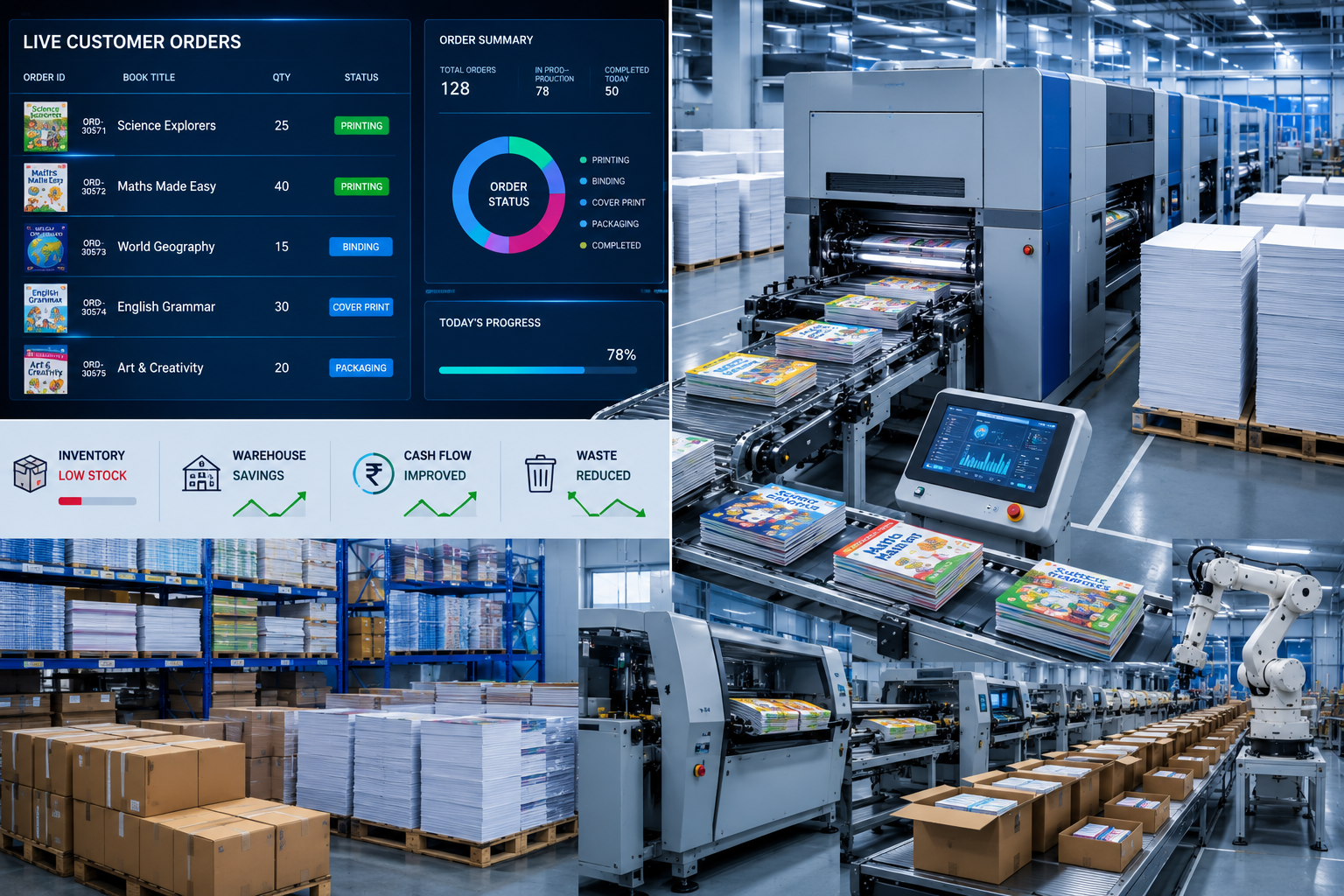
Reduce Storage RequirementsA large catalogue can create serious warehouse pressure when every title is printed in high quantities. Short-run production allows publishers to maintain a wider range of books without storing thousands of copies of each title.
- Lower warehouse expenses
- Less stock handling
- Easier inventory management
- Reduced risk of moisture and physical damage
- More space for fast-moving products
Short-run printing works best when supported by a reliable digital production workflow. If the first batch sells faster than expected, additional copies can be printed quickly from the approved digital file.
This allows publishers to avoid excessive stock while still responding to customer demand.
Useful for Seasonal and Regional MarketsNot every book has uniform demand throughout the year or across every location. Some titles are linked to school sessions, examinations, festivals, local languages, regional boards, institutional programmes, or short-term campaigns.
Short-run production allows publishers to manufacture quantities according to specific markets and periods instead of relying on one large national print run.
Personalisation and Custom EditionsDigital short-run printing also creates opportunities for customised book production. Publishers can produce special editions for schools, institutions, corporate clients, training organisations, or regional distributors.
- Custom covers
- Institution-specific branding
- Regional-language editions
- Updated content versions
- Special course material
- Limited promotional editions
Large print runs require publishers to spend money long before all copies are sold. Short-run production keeps investment closer to actual demand, reducing the time between production expenditure and sales revenue.
This helps businesses preserve working capital for content development, marketing, author payments, distribution, and future projects.
Who Can Benefit from Short-Run Printing?- Educational publishers
- New and independent publishers
- Self-publishing companies
- Academic publishers
- Regional-language publishers
- Training institutes
- Corporate publishing teams
- Authors launching their first books
- Publishers testing niche subjects
Short-run printing does not mean limiting the potential of a book. It means matching production with real demand and increasing quantities when the market provides clear evidence.
This approach gives publishers the flexibility to experiment, learn, improve, and grow without placing excessive capital at risk.
Partner with Edit One InternationalEdit One International helps publishers and commercial printing businesses explore modern digital book production solutions for short runs, demand-based printing, and fast reprints.
Our team can help you understand how short-run production can support new title launches while reducing inventory pressure and financial risk.
Book a Live DemonstrationIf you want to launch new titles with greater flexibility, lower inventory risk, and faster reprinting capability, contact the Edit One International sales team and schedule a live demonstration of advanced digital book production technology.
ConclusionShort-run book printing gives publishers a practical way to test new titles before committing to large quantities. By starting small, studying real demand, improving the product, and scaling production when sales increase, publishers can build a safer and more profitable launch strategy.