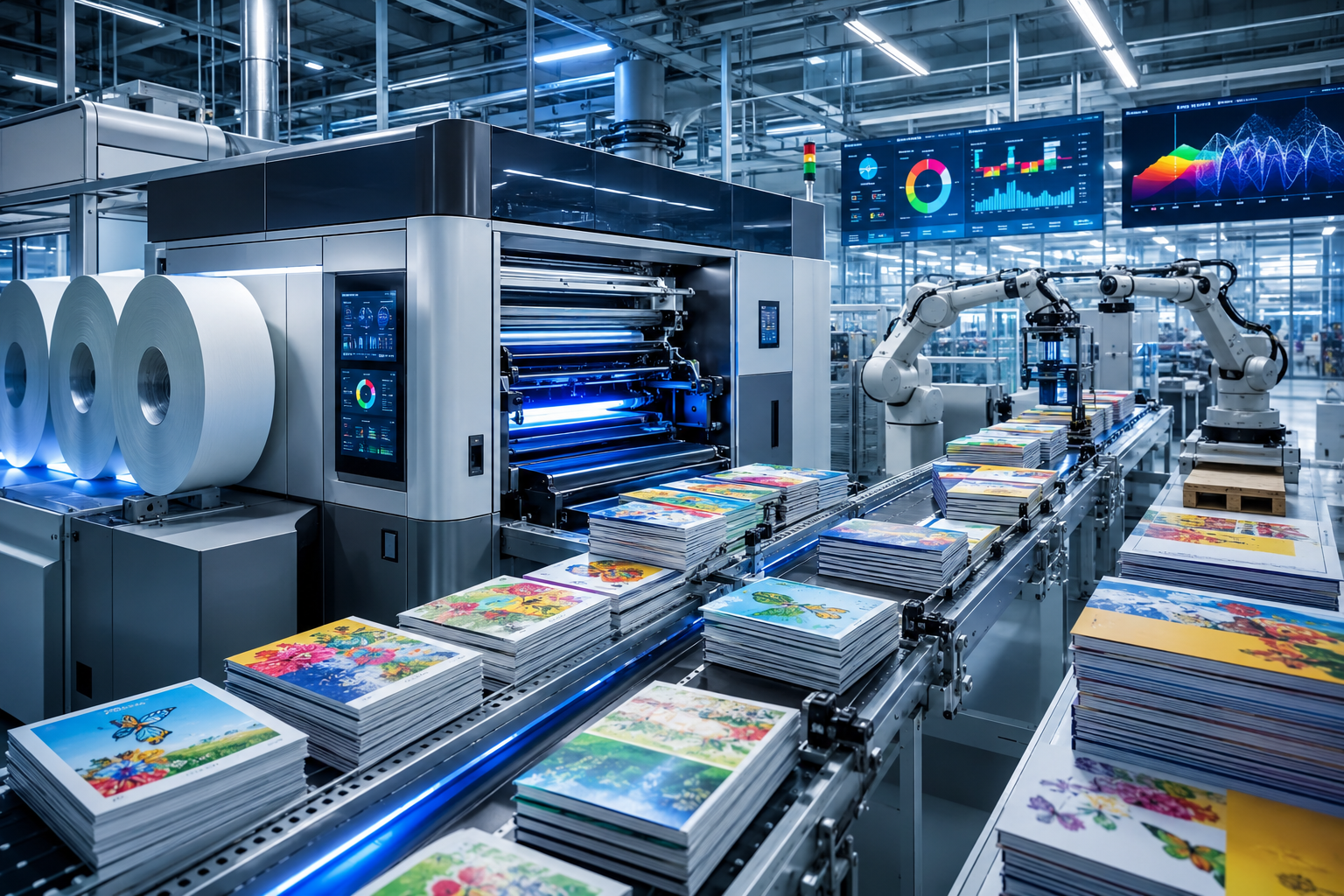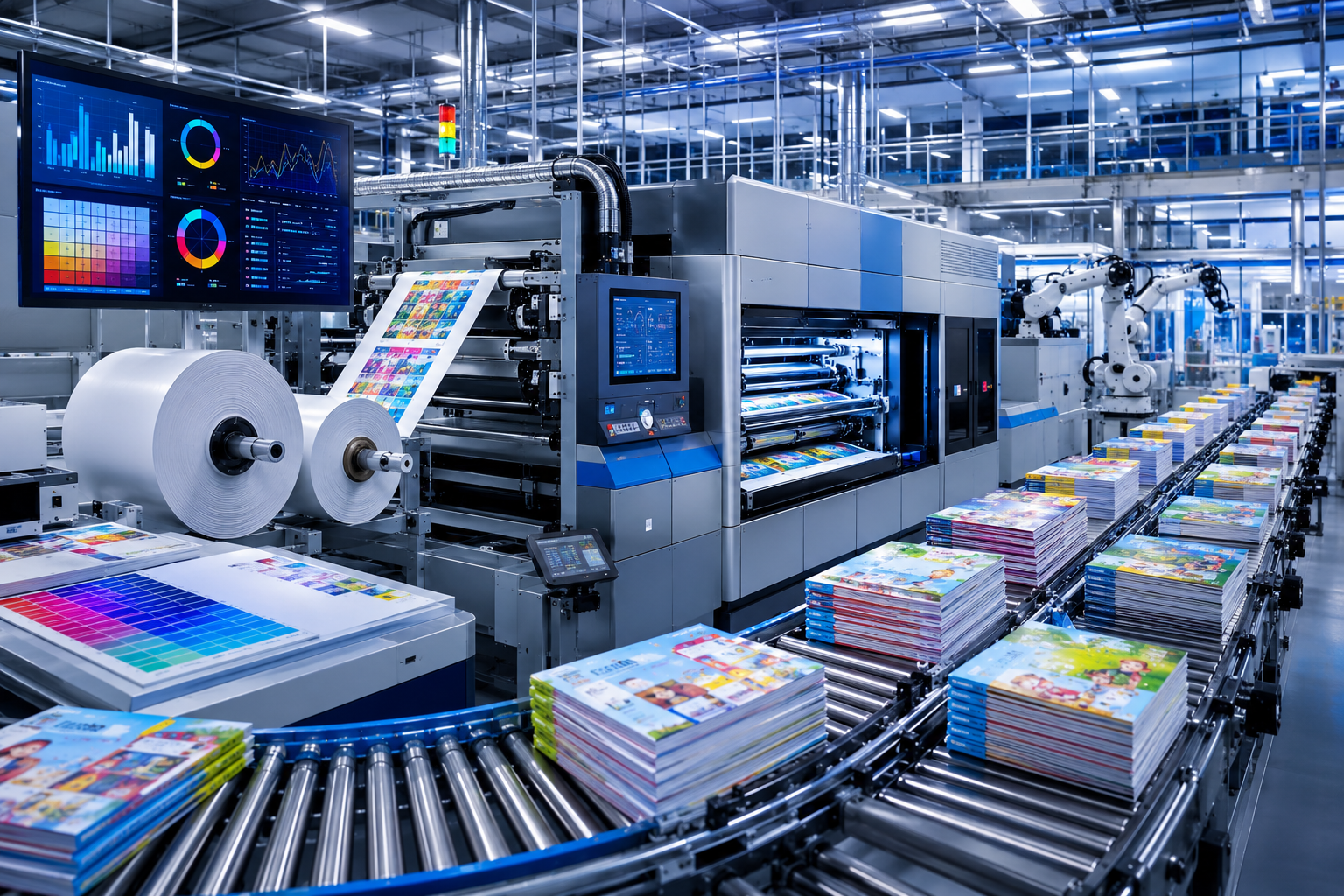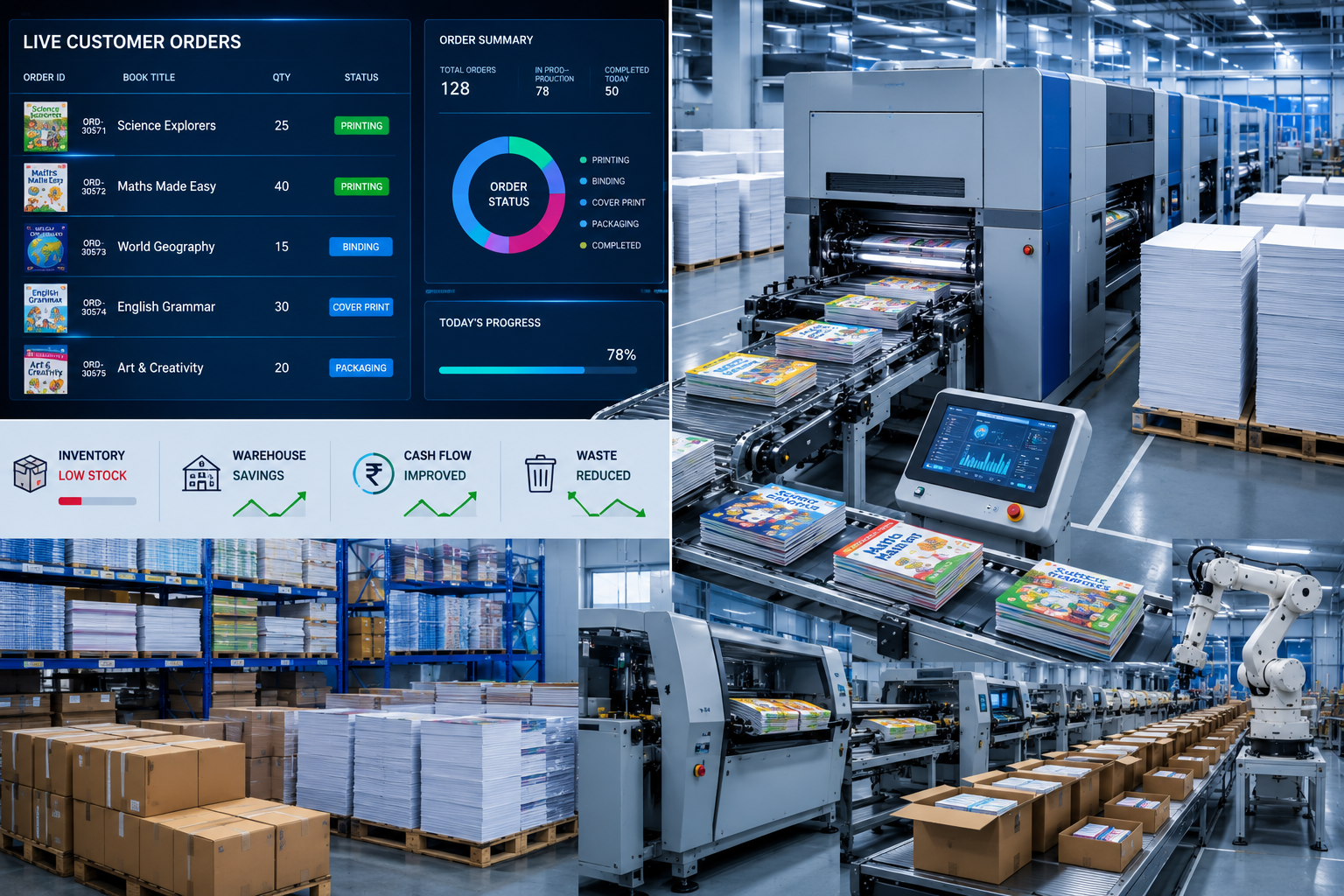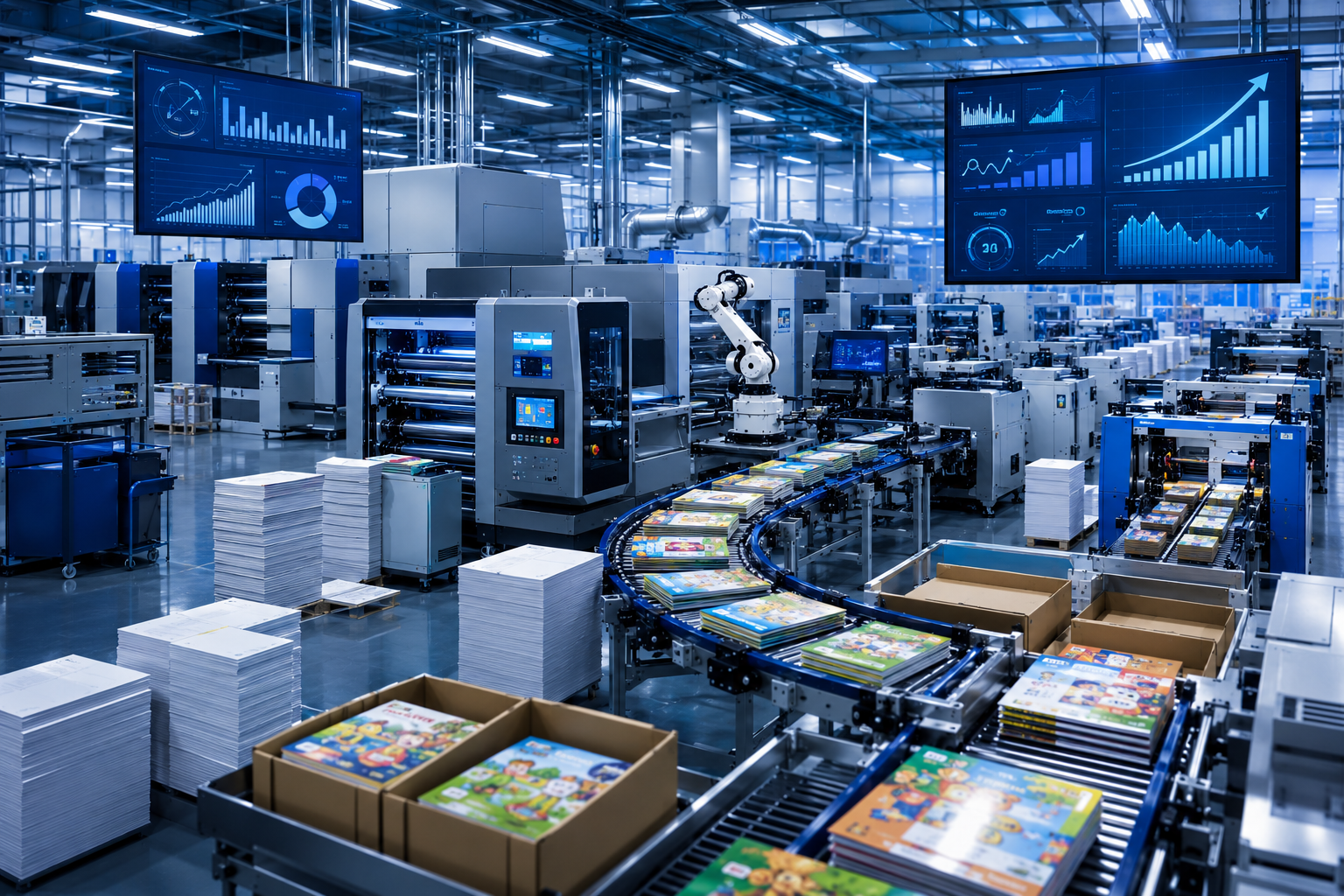
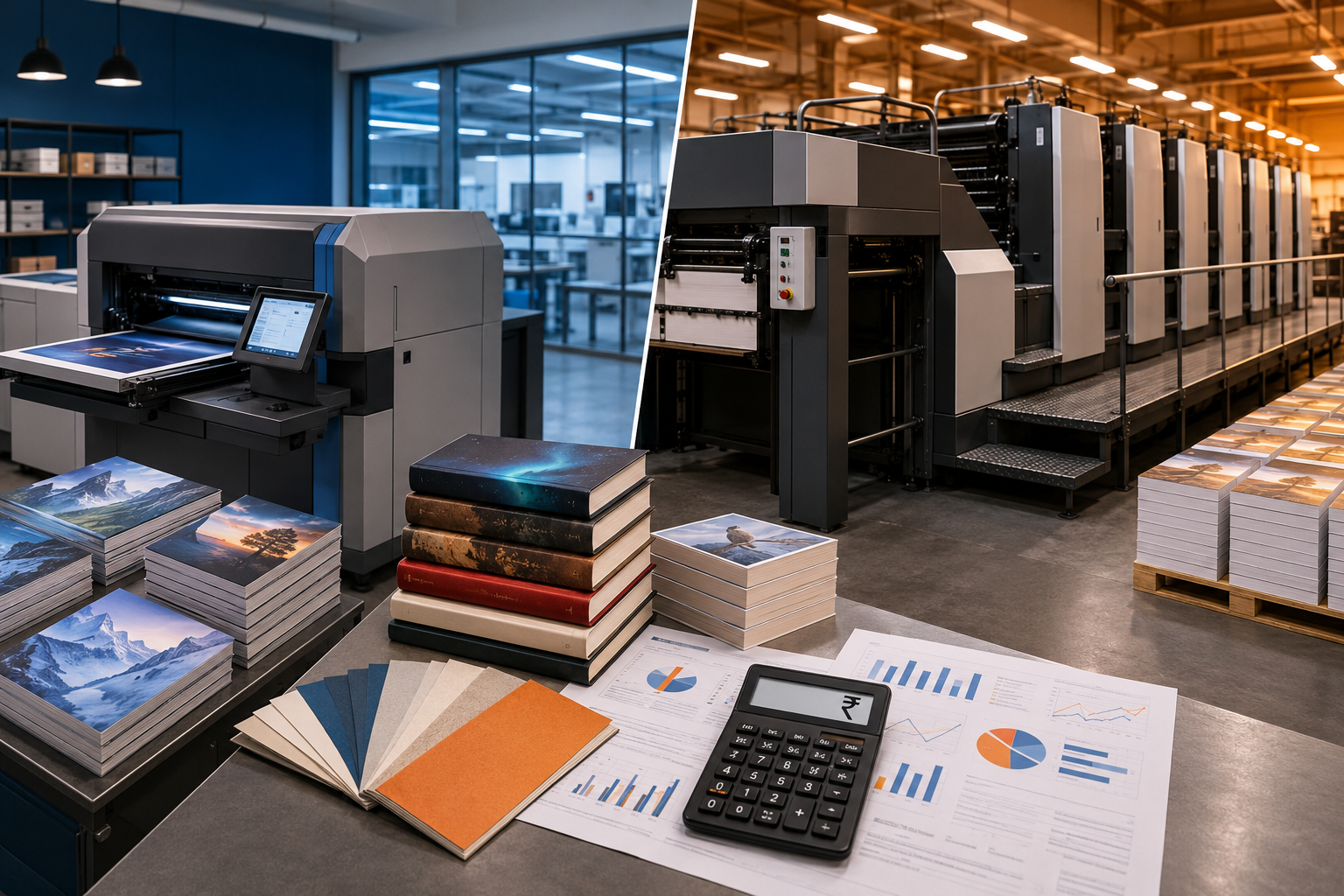
Selecting the right printing technology is an important business decision for every author and publisher. Digital and offset printing can both produce professional books, but they differ significantly in setup expenses, production speed, minimum quantity and cost per copy.
The cheapest option does not always provide the best overall value. The right method depends on the number of copies required, expected book demand, delivery timeline and content type.
This guide compares digital and offset printing to help publishers choose the most cost-effective production method.
What Is Digital Book Printing?Digital printing transfers the book content directly from a digital file to paper. It does not require physical printing plates, making the setup process faster and more affordable for small quantities.
Publishers can print one copy, a small batch or several hundred books according to actual demand. This technology is commonly used for print-on-demand, short-run books, sample copies, manuals, personalised publications and frequently updated content.
What Is Offset Book Printing?Offset printing uses metal plates to transfer images and text onto a rubber blanket and then onto paper. It requires additional setup, plate preparation and machine calibration before regular production begins.
The initial setup cost is higher, but the cost per copy decreases when thousands of identical books are printed. This makes offset printing suitable for established titles with predictable and large-scale demand.
Digital vs Offset Printing: Quick Comparison| Factor | Digital Printing | Offset Printing |
|---|---|---|
| Best quantity | Small and medium print runs | Large print runs |
| Initial setup cost | Low | High |
| Production speed | Fast | Longer initial setup |
| Minimum order | Very low | Higher quantity preferred |
| Cost per copy | Better for small quantities | Better for large quantities |
| Personalisation | Easy | Limited |
| Content updates | Simple and quick | New plates may be required |
| Inventory risk | Low | Higher |
Digital printing has a lower setup cost because production can begin directly from an approved PDF. There is no need to create a separate printing plate for each colour or page layout.
Offset production requires plates, ink preparation, machine calibration and test sheets. These initial expenses remain almost the same whether the publisher prints 100 copies or 10,000 copies.
For this reason, offset printing can be expensive for a small print run. However, when the initial cost is divided across thousands of books, its cost per copy becomes more competitive.
Cost Per CopyThe cost per copy in digital printing generally remains relatively consistent across smaller quantities. Increasing an order from 50 to 100 copies may reduce the unit price, but the reduction is usually gradual.
In offset printing, the cost per book can decrease considerably as the quantity increases. Once the initial setup is completed, producing additional copies becomes more economical.
Publishers should compare the complete investment rather than looking only at the unit price. Printing a large quantity may provide a lower cost per copy, but unsold inventory can eliminate those savings.
Example of Cost ComparisonConsider a publisher who wants to print a new 200-page paperback book.
- If only 100 copies are required, digital printing may offer a better total price because there are no expensive plate and setup charges.
- If 5,000 copies are required and the demand is confirmed, offset printing may provide a lower cost per book.
- If demand is uncertain, printing a smaller digital batch can protect the publisher from the risk of unsold stock.
Actual prices will depend on the book size, paper, page count, colour, binding and finishing specifications.
Production Speed and Turnaround TimeDigital printing offers faster production because the approved file can be sent directly to the machine. This makes it suitable for urgent jobs, advance copies, exhibition requirements and fast market launches.
Offset printing takes longer during the initial stage because plates must be prepared and the machine must be configured. Once production begins, however, large quantities can be produced efficiently.
Quality ComparisonModern digital printing machines can produce sharp text, detailed images and consistent colours. The quality is suitable for most novels, educational books, manuals, catalogues and professional publications.
Offset printing offers excellent colour accuracy and consistency, especially for large quantities and specialised colour requirements. It also provides publishers with a wider selection of paper and ink options.
The best choice should be based on the book’s purpose and reader expectations rather than assuming that one technology is always superior.
Inventory and Storage ExpensesInventory is an important hidden cost in book publishing. Offset printing may provide a lower production price per copy, but large quantities require warehouse space, inventory management and additional handling.
Unsold books may become outdated, damaged or remain in storage for years. Digital printing allows publishers to print according to demand, reducing storage costs and financial risk.
Personalisation and Variable DataDigital technology makes it possible to personalise each printed copy. Names, certificates, barcodes, addresses, covers or selected pages can be changed without stopping the entire production process.
Such personalisation is more complicated and expensive with traditional offset printing because the same printing plate is normally used for every copy.
Content Corrections and UpdatesErrors and outdated information can be corrected quickly in a digital file before producing the next batch. This is particularly useful for textbooks, legal publications, directories, manuals and examination material.
In offset printing, making changes after plate preparation may require new plates and additional setup expenses. If a large quantity has already been printed, outdated copies can create a significant financial loss.
When Should You Choose Digital Printing?Digital printing is generally suitable when:
- You need a small or medium quantity.
- The demand for the title is uncertain.
- You require urgent delivery.
- The content changes frequently.
- You want to test a new title.
- You need personalised or variable information.
- You want to avoid maintaining large inventory.
- You require print-on-demand production.
Offset printing can be a better option when:
- You need thousands of identical copies.
- The book has confirmed and predictable demand.
- A low cost per copy is the highest priority.
- You require specialised ink or paper.
- The content will not change after printing.
- You have sufficient storage and distribution capacity.
Publishers do not always need to choose only one method. A hybrid production strategy can provide better control over cost and inventory.
A publisher can launch a new title with digital printing, analyse customer demand and move to offset printing when regular bulk orders begin. Digital printing can then be used again for urgent replenishment or small reprints.
Questions to Ask Before Selecting a Method- How many copies do I actually need?
- Is the demand confirmed or estimated?
- How quickly must the books be delivered?
- Will the content require future updates?
- Do I have space to store unsold books?
- What is the complete cost, including storage and delivery?
- Does every copy require identical or personalised content?
Digital printing is generally more economical for small quantities, fast delivery, print-on-demand and frequently updated content. Offset printing becomes cost-effective when publishers need a large number of identical books with predictable demand.
The correct decision should consider the total production investment, inventory risk, storage expenses and expected sales—not only the quoted cost per copy.
Edit One International provides professional digital, print-on-demand and book-production solutions for publishers, authors, educational institutions and businesses.
Need help selecting the right printing method for your book? Contact Edit One International for professional guidance and a customised quotation.
Call or WhatsApp: +91-9871852545