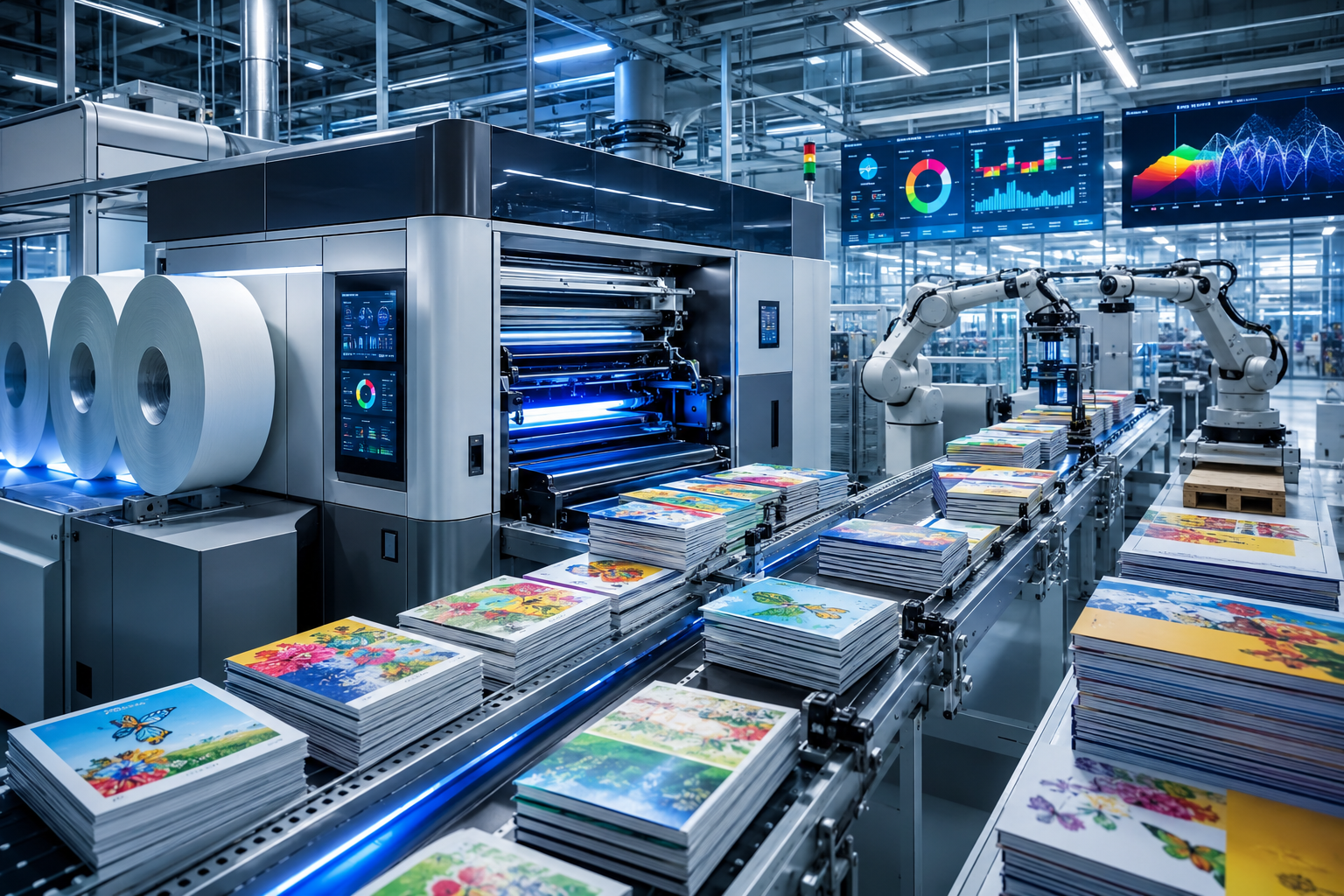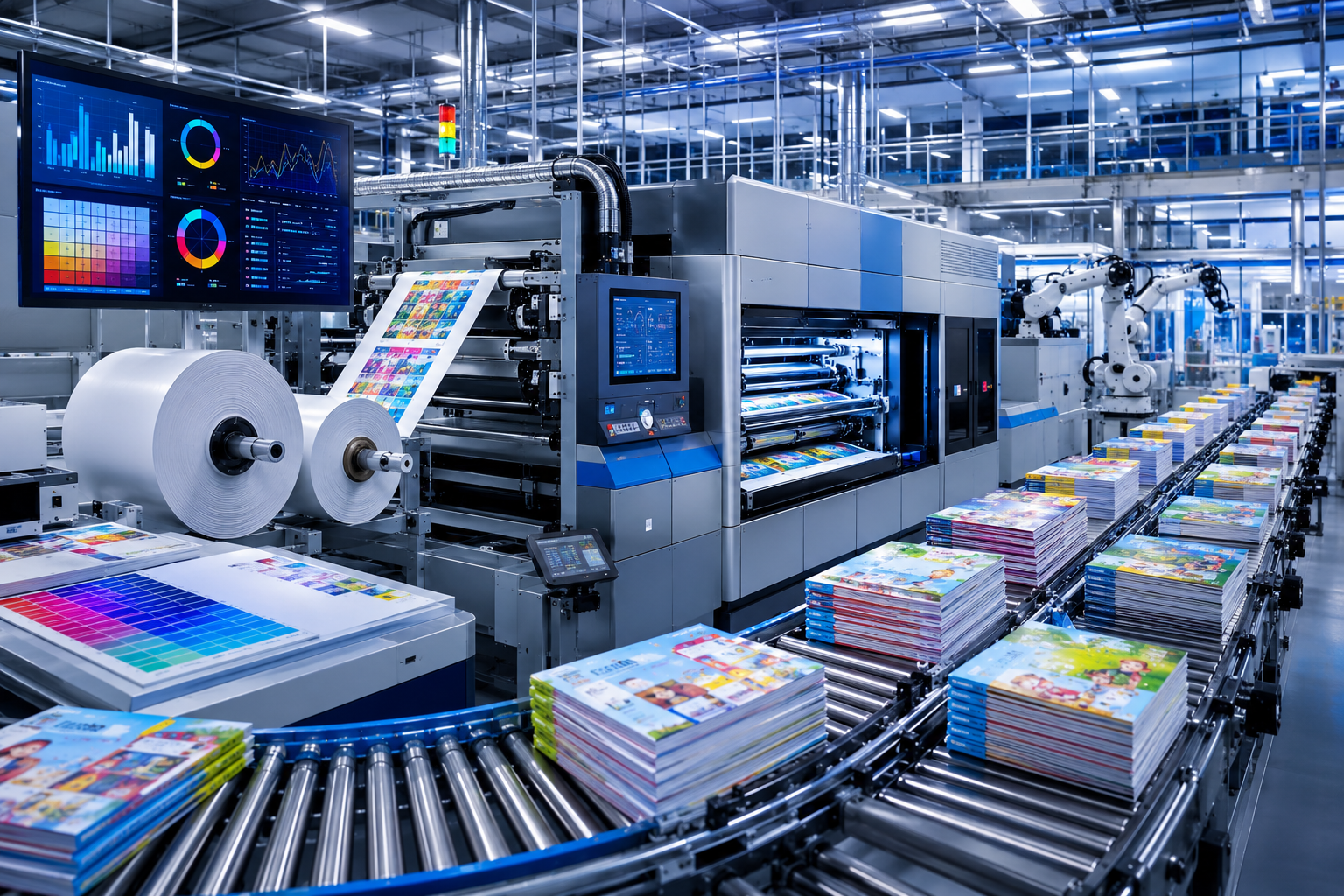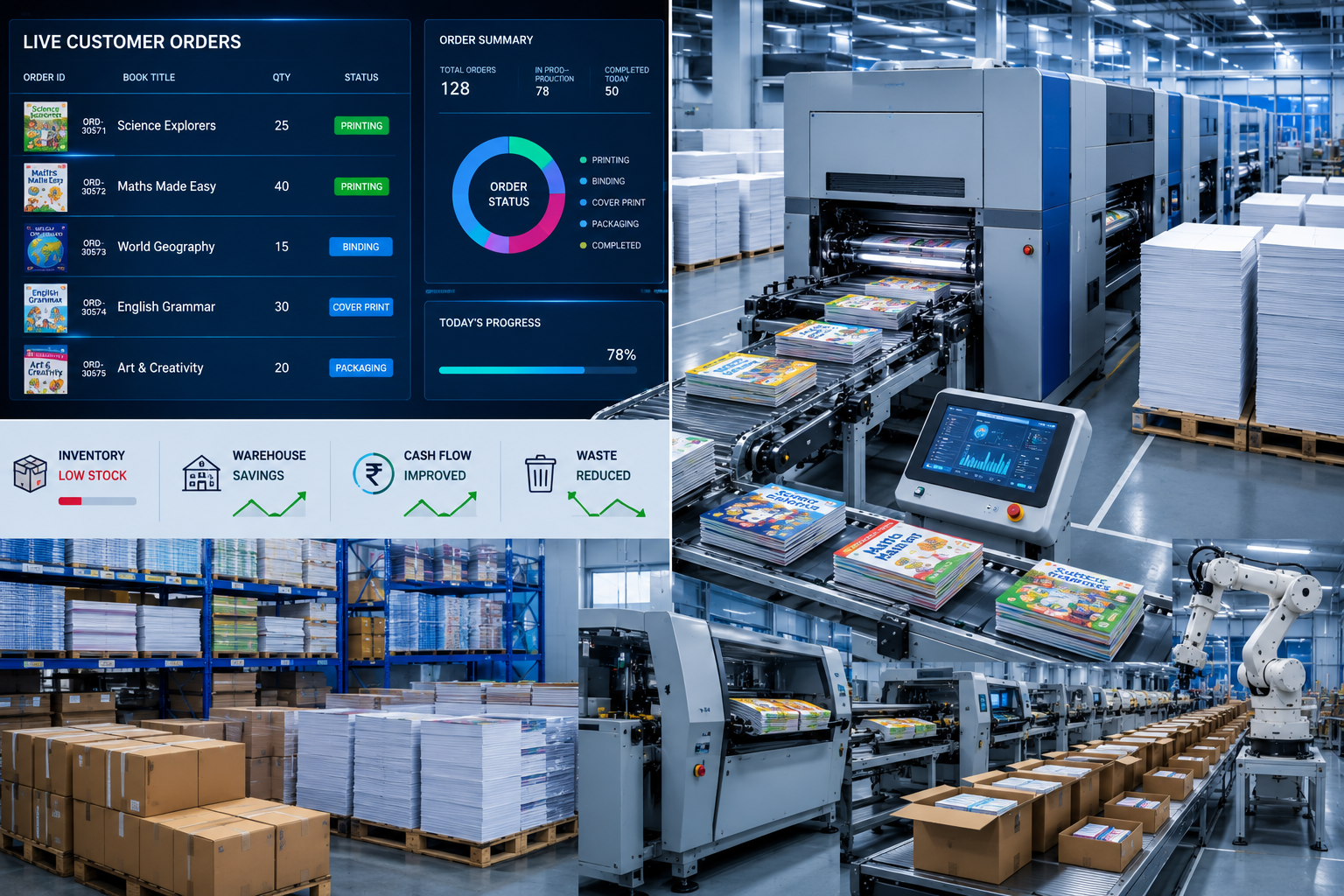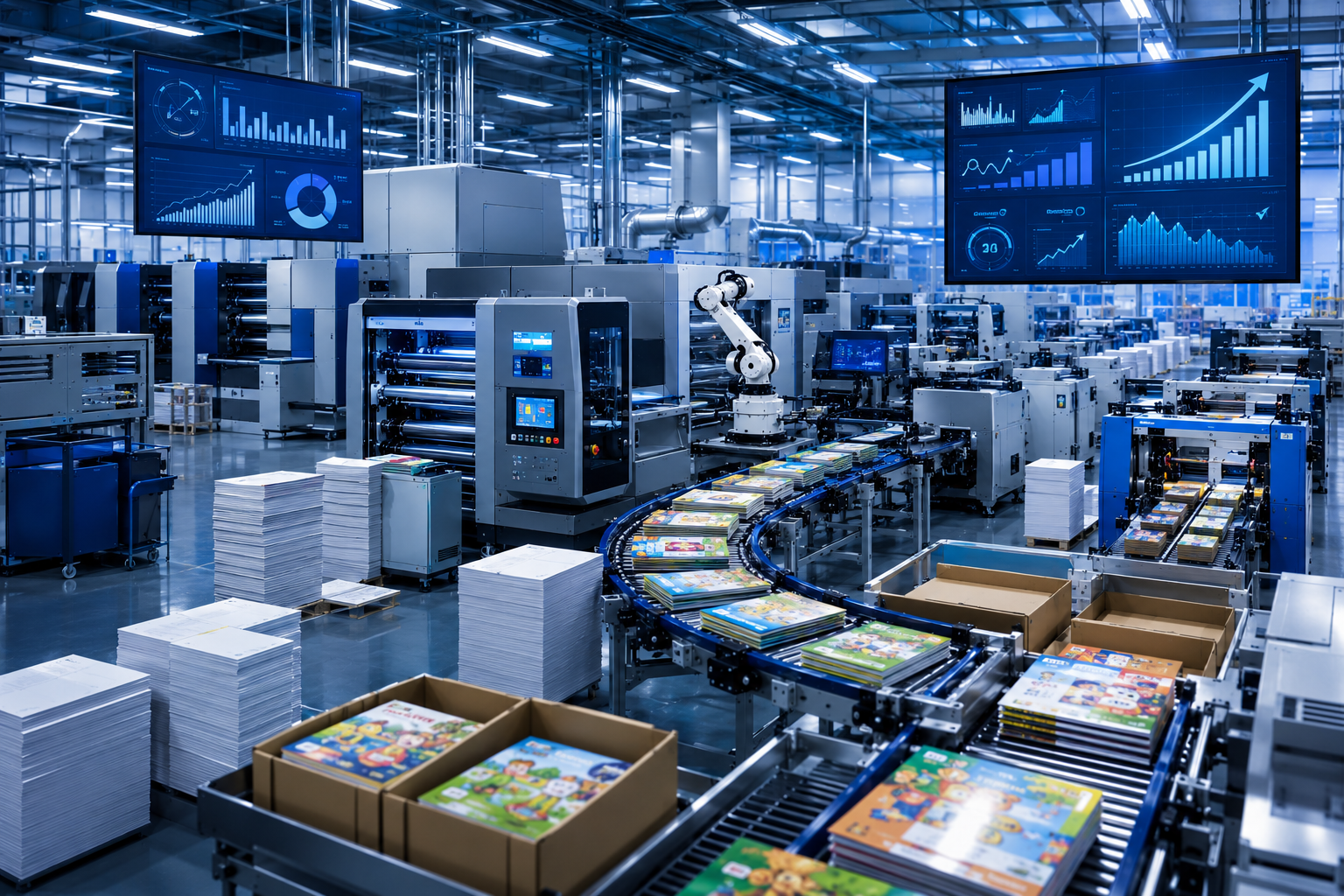
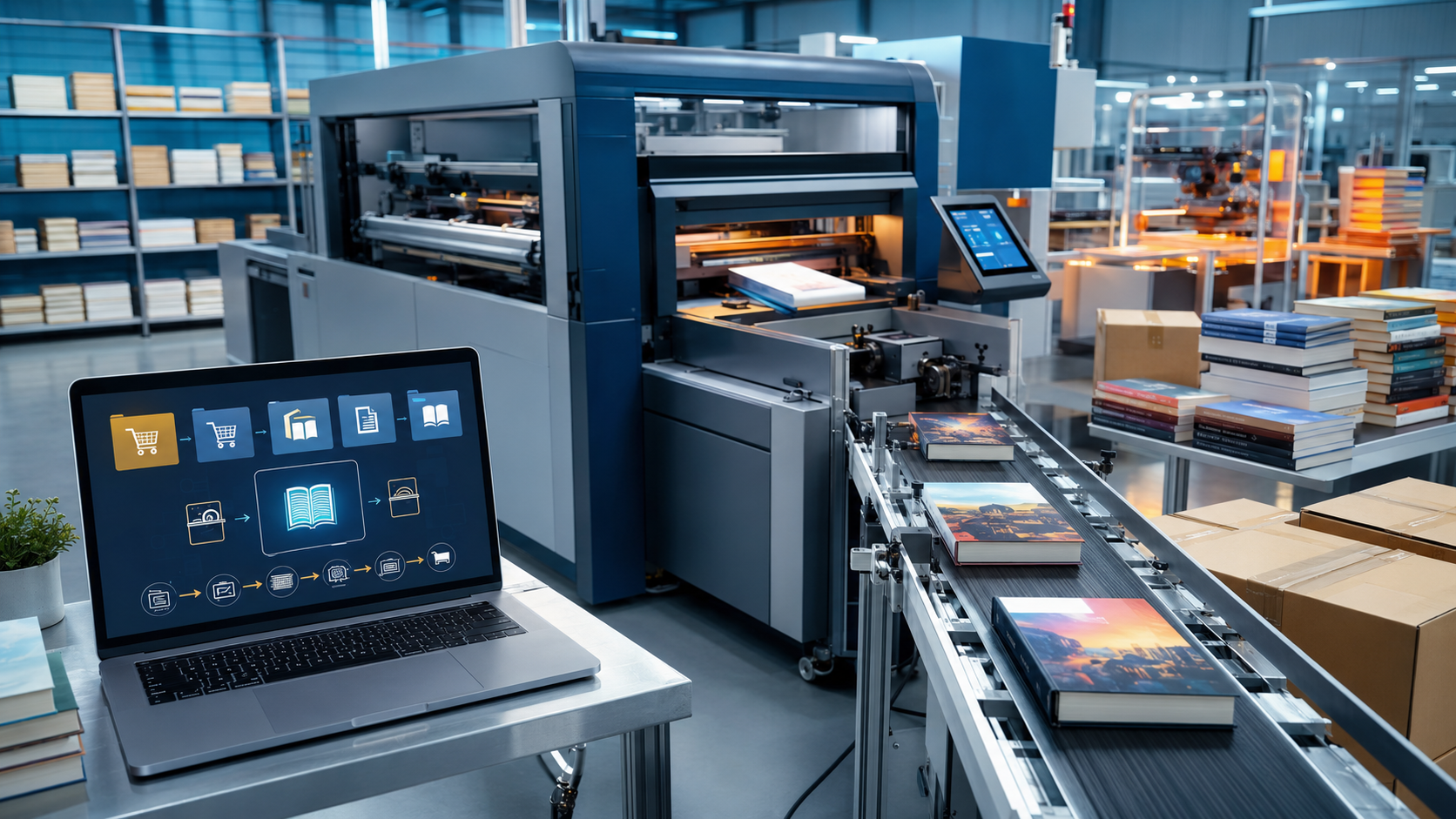
Print-on-demand is transforming the way books are printed, stored and distributed in India. Traditionally, authors and publishers had to print hundreds or thousands of copies in advance. This required a large investment and created the risk of unsold inventory.
With print-on-demand book publishing, books can be produced in small quantities based on actual orders. It provides authors, publishers, educational institutions and businesses with a flexible and cost-effective method of bringing books to the market.
This guide explains how print-on-demand works, its major benefits, costs and the steps required to begin publishing books through this model.
What Is Print-on-Demand Book Publishing?Print-on-demand, commonly called POD, is a production model in which books are printed only when they are required. Instead of maintaining thousands of copies in a warehouse, publishers can print one copy, ten copies or a small batch based on customer demand.
Modern digital book-printing machines allow professional-quality books to be produced quickly without the complex setup required in traditional offset printing.
How Does Print-on-Demand Work?The print-on-demand process generally includes the following steps:
- The author or publisher submits a print-ready interior PDF and cover file.
- The printing partner reviews the files and book specifications.
- A customer or distributor places an order.
- The required number of copies is printed digitally.
- The pages are folded, arranged and bound.
- The finished books are packed and dispatched.
Because production begins after receiving an order, the publisher does not need to invest in a large inventory beforehand.
Who Can Use Print-on-Demand?The POD model is suitable for many types of content creators and organisations, including:
- Independent and self-published authors
- Traditional publishing companies
- Educational institutions
- Coaching centres and trainers
- Corporate organisations
- Religious and social organisations
- Researchers and academic writers
- Businesses producing manuals and catalogues
It is particularly valuable when the future demand for a book is uncertain or when the content requires regular updates.
Major Benefits of Print-on-Demand Publishing 1. Low Initial InvestmentAuthors and publishers do not need to spend a large amount on printing thousands of copies. They can begin with a small quantity and increase production as demand grows.
2. No Unsold InventoryBooks are produced according to actual requirements. This reduces the risk of unsold stock becoming outdated, damaged or permanently stored in a warehouse.
3. Lower Storage ExpensesTraditional publishing requires sufficient space to store printed books. POD minimises this requirement and helps reduce warehouse rent, inventory management and handling expenses.
4. Faster Market EntryDigital production requires less preparation than conventional offset printing. Once the files are approved, books can be produced and launched within a shorter timeframe.
5. Easy Content UpdatesIf an error is found or information needs to be updated, the digital file can be corrected before the next batch is printed. This is extremely useful for academic books, manuals, directories and annual publications.
6. Opportunity to Test New TitlesPublishers can release a limited number of copies to test market demand. If the title performs well, additional copies can be printed without changing the complete production process.
7. Greater Title AvailabilityOlder and low-demand books do not need to go out of print. Their digital files can be preserved, and copies can be produced whenever an order is received.
Print-on-Demand vs Traditional Offset PrintingBoth printing methods offer different advantages. The correct option depends on the required quantity, budget and expected demand.
| Factor | Print-on-Demand | Offset Printing |
|---|---|---|
| Suitable quantity | Small and medium quantities | Large print runs |
| Initial investment | Low | High |
| Setup time | Short | Longer |
| Inventory risk | Minimal | Higher |
| Cost per copy | Consistent for small runs | Lower for large quantities |
| Content updates | Easy | Difficult after printing |
Print-on-demand is ideal for smaller quantities and uncertain demand. Offset printing may be more economical when thousands of identical copies are required.
What Determines the Cost of POD Books?The cost of producing a print-on-demand book depends on several factors:
- Total number of pages
- Book dimensions
- Black-and-white or colour printing
- Paper type and GSM
- Number of copies
- Paperback or hardcover binding
- Cover lamination and finishing
- Packaging and delivery location
A black-and-white paperback novel will normally cost less to produce than a full-colour hardcover book containing premium art paper.
How to Prepare Your Book for Print-on-Demand Finalise the ManuscriptComplete the editing and proofreading before submitting the file. Corrections made after production begins may cause delays and additional expenses.
Format the Interior PagesSet the correct page size, margins, fonts, headings and page numbers. Ensure that images have sufficient resolution for printing.
Design a Professional CoverThe cover file should include the front cover, spine and back cover. The final spine width will depend on the page count and paper thickness.
Create a Print-Ready PDFExport the interior and cover as high-quality PDF files. Fonts should be embedded, images should be clear, and the required bleed should be included.
Request a Sample CopyAlways check a physical proof before approving regular production. Review the colours, trimming, page order, binding strength and overall finishing.
Common Mistakes to Avoid- Submitting an unedited manuscript
- Using low-resolution cover images
- Selecting an unsuitable book size
- Ignoring bleed and safety margins
- Using fonts without proper licensing
- Approving production without checking a sample
- Choosing paper only according to price
- Ignoring packaging and delivery costs
Print-on-demand can be profitable because it reduces initial investment and protects publishers from the financial risk of unsold books. Although its per-copy production cost may be higher than that of a very large offset print run, the overall business risk is substantially lower.
Publishers should calculate the production cost, platform commission, shipping, marketing expenses and expected profit before deciding the final selling price.
The Future of Print-on-Demand in IndiaThe demand for faster, personalised and flexible book production is increasing across India. Improvements in digital printing technology are making it possible to produce high-quality books at greater speed and in smaller quantities.
Print-on-demand will continue helping authors and publishers introduce more titles, serve niche audiences, reduce waste and keep valuable books available for longer periods.
ConclusionPrint-on-demand provides a practical alternative to maintaining large quantities of printed books. It enables authors and publishers to begin with a smaller investment, reduce inventory risk, update content easily and respond quickly to customer demand.
Edit One International provides professional print-on-demand and digital book-production solutions for authors, publishers, educational institutions and businesses across India.
Ready to publish your book without maintaining large inventory? Contact Edit One International for a customised book-printing solution.
Call or WhatsApp: +91-9871852545